Bengal
Bengals need somewhere productive to put their curiosity. A Bengal without adequate climbing space, mental engagement, and hunting-style play does not become a calm, low-maintenance cat — it becomes creative in ways owners usually find frustrating. Things get knocked off shelves deliberately. Water gets splashed. Anything within reach gets investigated. The enrichment is not optional, and treating it as such tends to produce exactly the problem behavior owners want to avoid. The trade-off is a genuinely interesting, athletic cat that rewards thoughtful ownership with a relationship unlike most domestic cats.
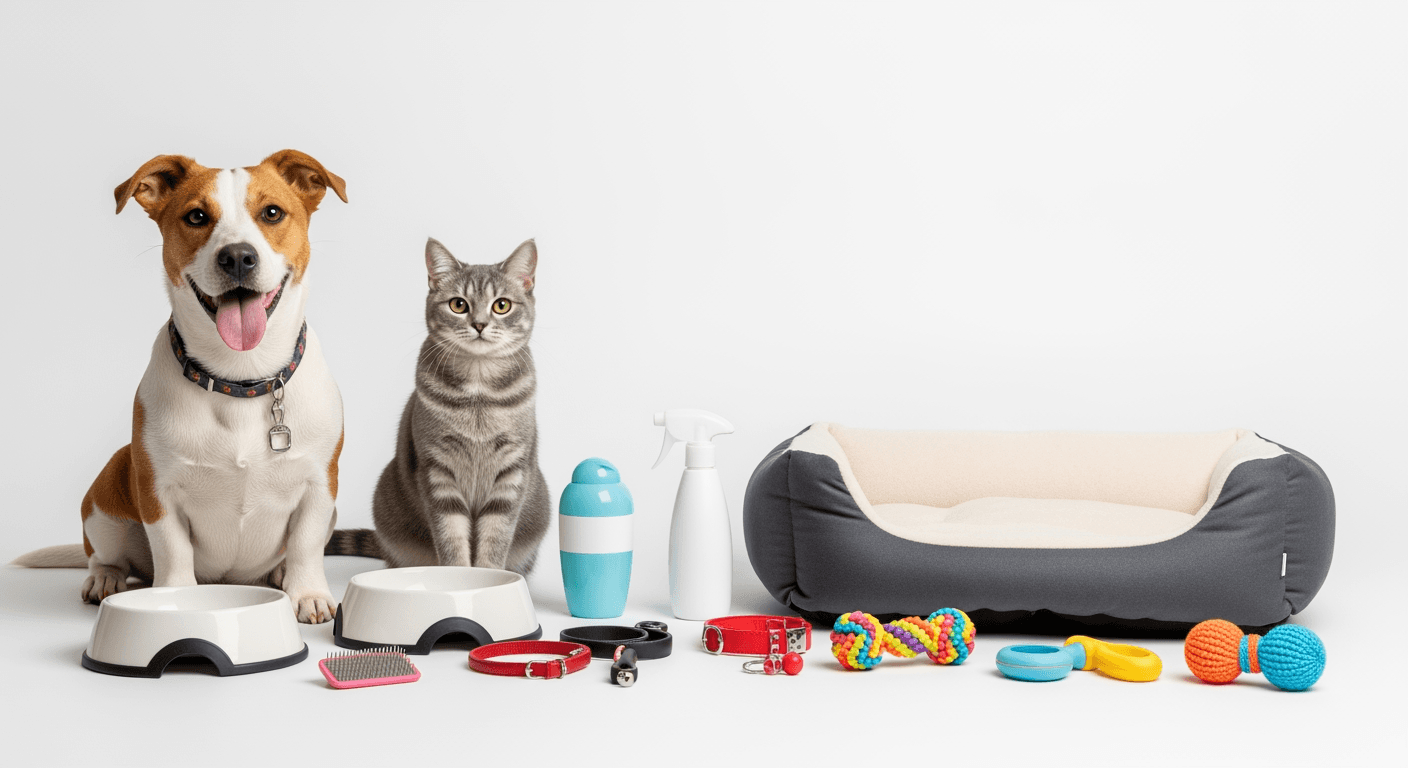
Who this guide is for
This guide is for Bengal owners and anyone considering the breed. Whether you have a new kitten or a senior companion, you will find practical, breed-specific care routines you can start using today.
Quick breed snapshot
Size
Medium; athletic and muscular.
Energy level
High; needs climbing, puzzle play, training, and active engagement.
Grooming level
Low; short coat, but high mental and physical needs.
Best fit
Best for active owners who can offer vertical space, play sessions, and structured enrichment.
Main care focus
enrichment schedules, safe climbing, feeding puzzles, hydration, and behavior tracking
Most common owner questions
My Bengal keeps knocking things off shelves — how do I redirect this?+
Do Bengals really need that much stimulation?+
Can PetMyDear diagnose my Bengal?+
What should I track regularly for a Bengal?+
What to track in PetMyDear
Explore Bengal care topics
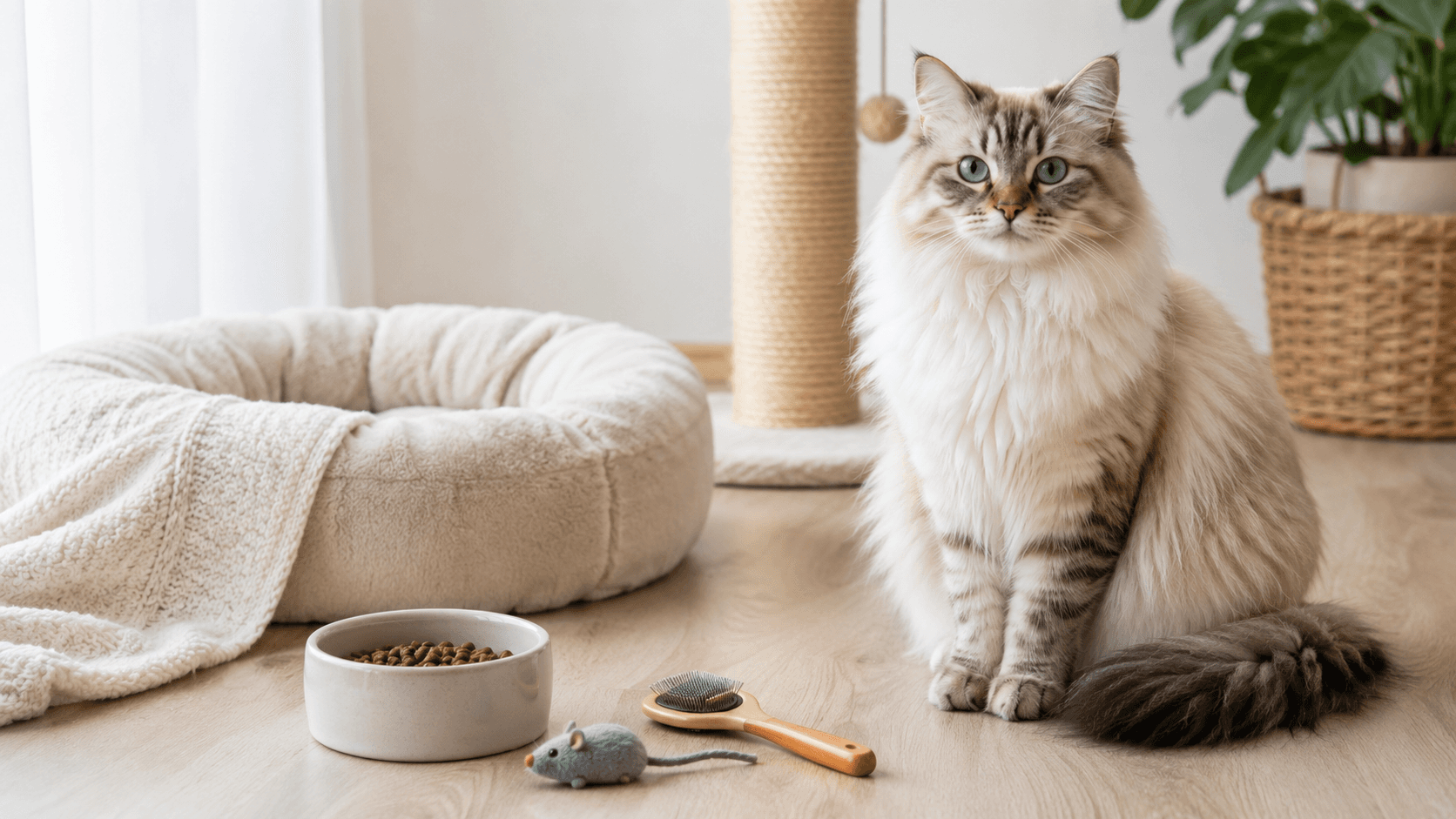
Kitten Care Guide
First weeks essentials — safe home setup, feeding and growth, litter training, socialization, and vet reminders.
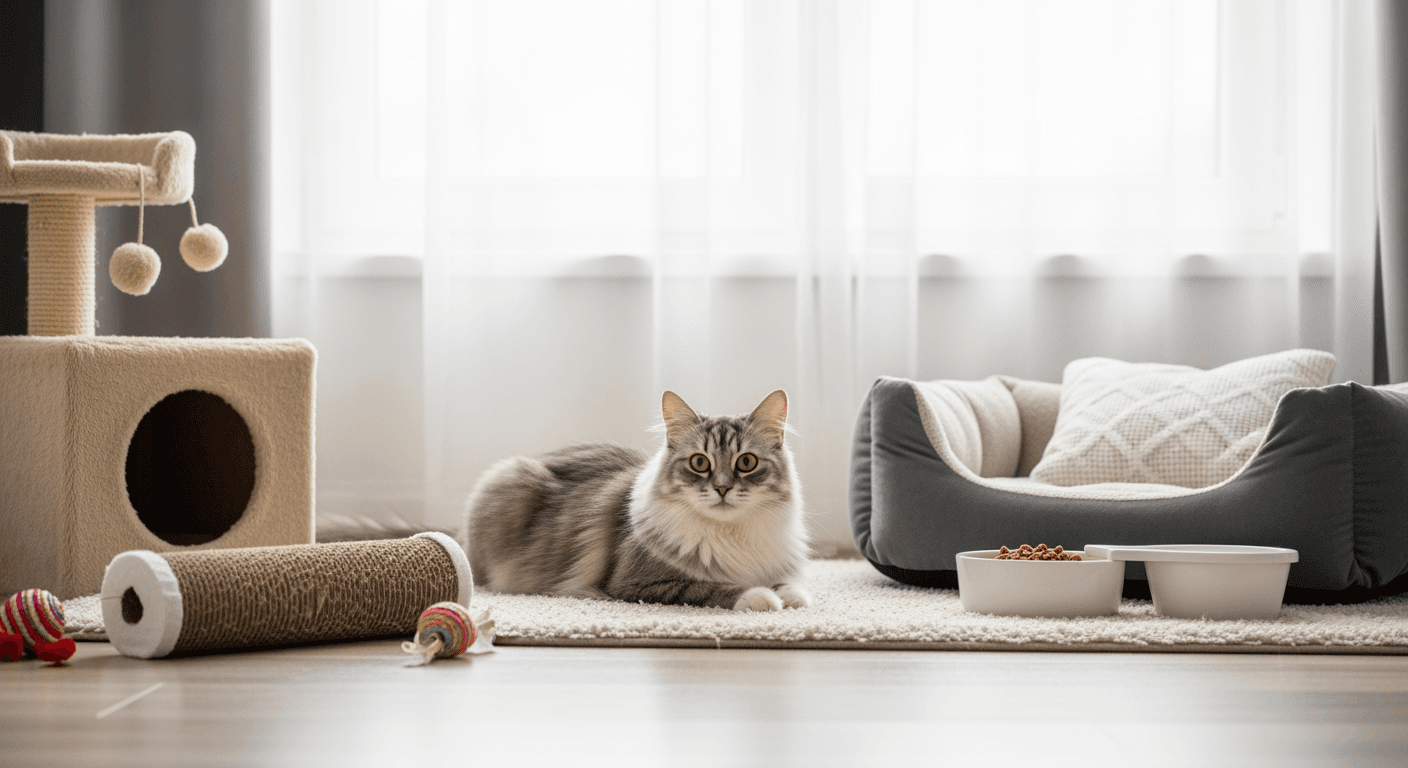
Feeding Guide
Meal routines, portion control, hydration, weight monitoring, and foods to avoid — tracked in PetMyDear.
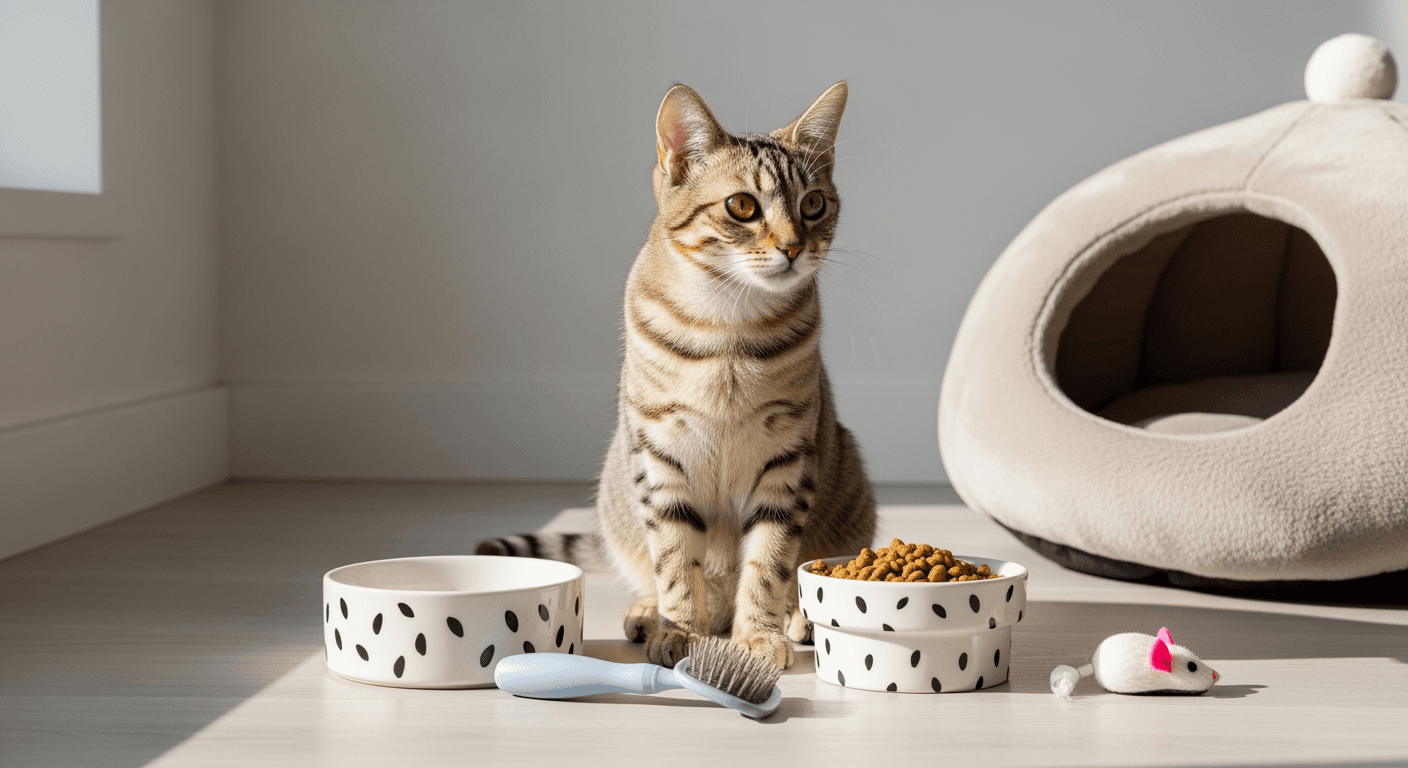
Behavior & Enrichment Guide
Play, scratching, climbing, vocalization, and enrichment routines that keep indoor cats happy and settled.
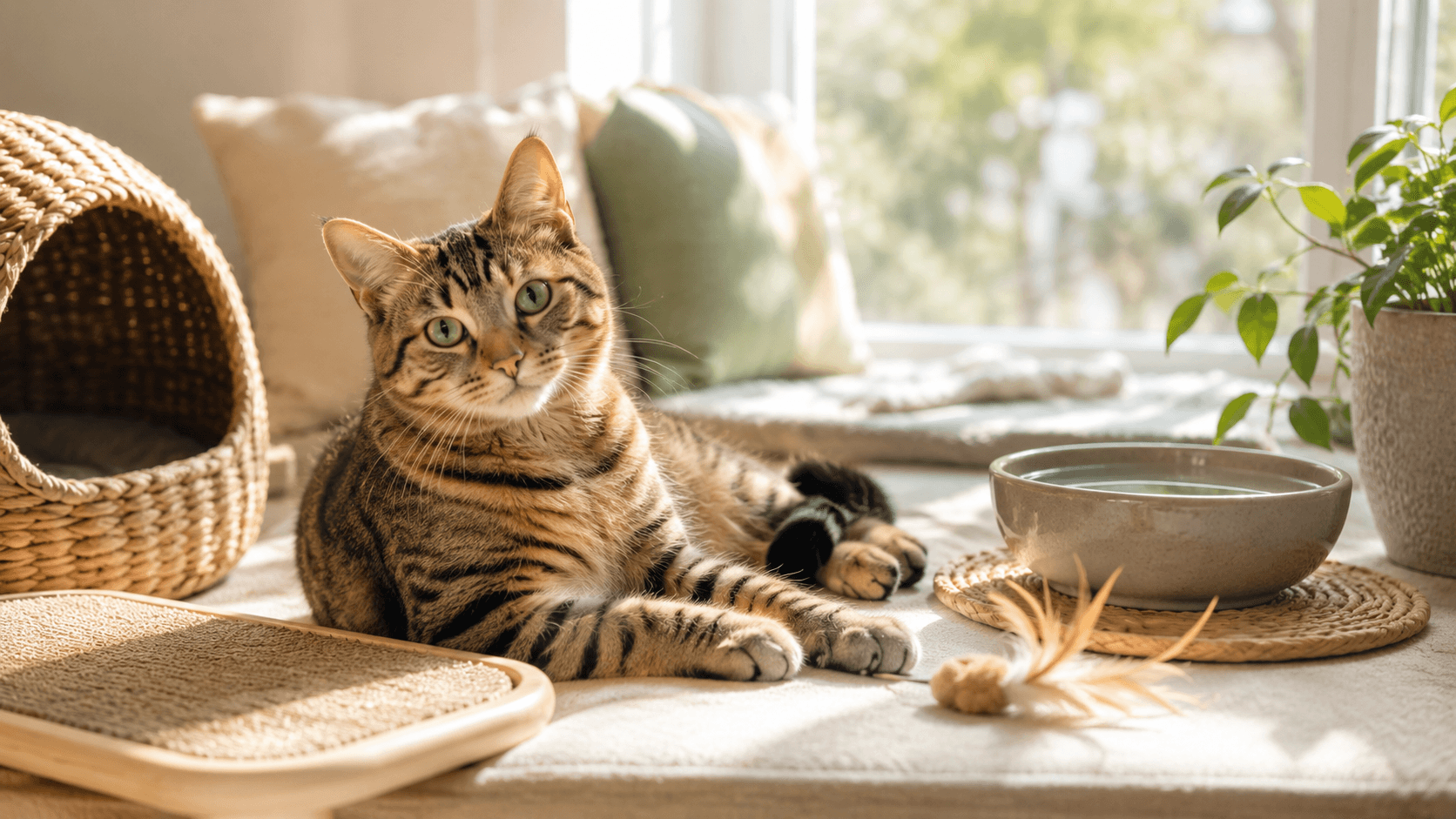
Health Care Guide
Preventive care, signs worth tracking, vet reminders, and care records — educational, not a diagnosis.
Grooming & Litter Care Guide
Brushing, nail, dental, eye and ear care, plus litter-box setup and hygiene routines.
Download PetMyDear for Android
Track routines, set reminders, and keep your Bengal's care history organized in one place.
Turn care routines into lasting habits
Set reminders, build daily checklists, and track feeding, grooming, and exercise in one calm place.