A dog that gets enough of the right kind of activity is easier to live with in every other way
Physical exercise and mental enrichment work together. A dog that has been on a long walk but had no interesting smells, problems to solve, or interactions may be less settled than one that did 20 minutes of sniff-focused activity and a short training session. This guide covers both.
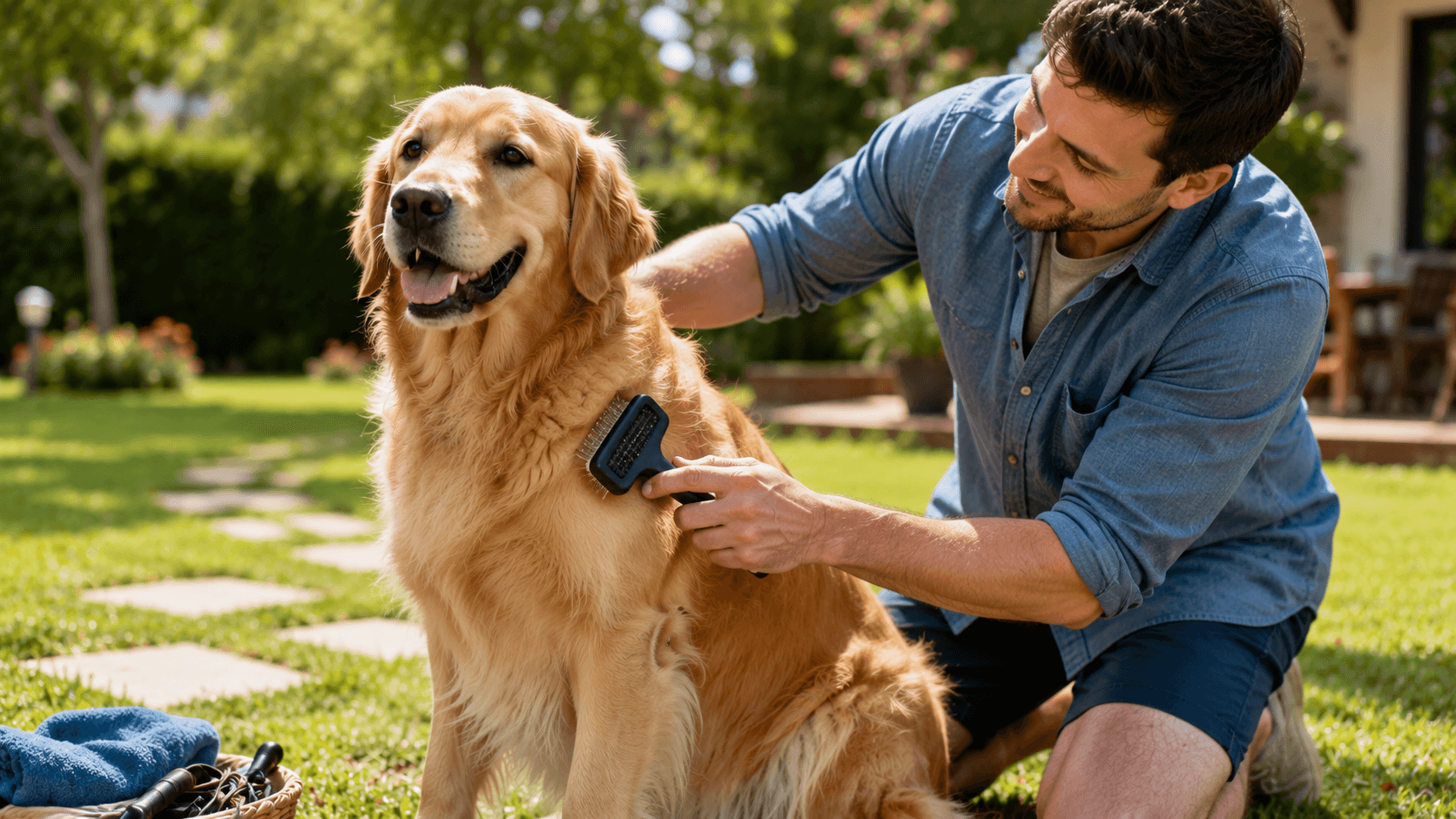
Daily walks
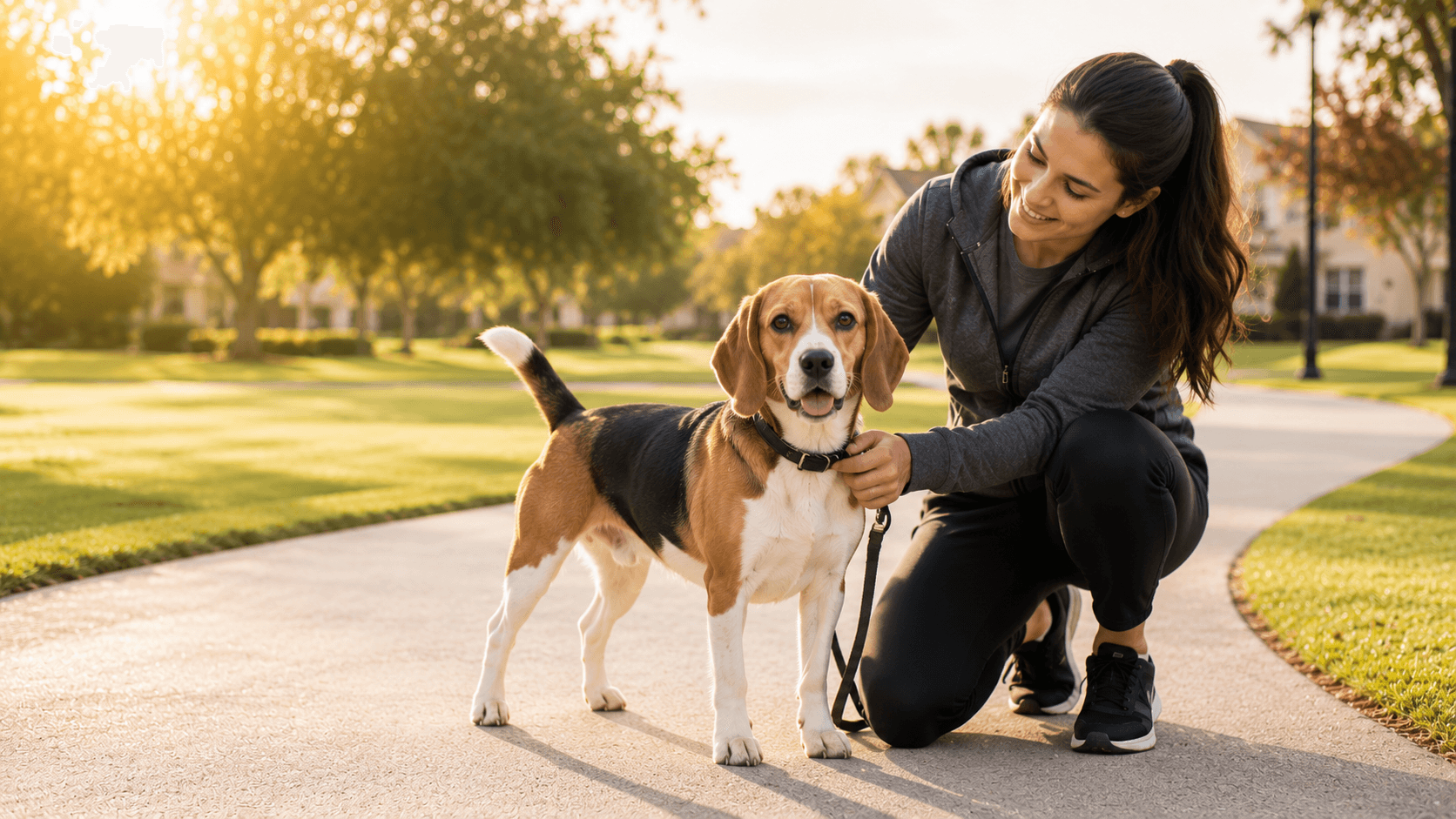
Walks aren't just exercise — they're also a chance for dogs to use their nose, see new things, and process the world. Let your dog sniff regularly. A slower, more exploratory walk often satisfies them more than a brisk loop.
Adjust pace, distance, and surface to your dog's age and condition. Senior dogs and young puppies generally benefit from shorter, more frequent outings. Letting your dog choose which direction to sniff for part of the walk — sometimes called a sniff walk or decompression walk — provides more mental enrichment than a brisk circuit at human pace.
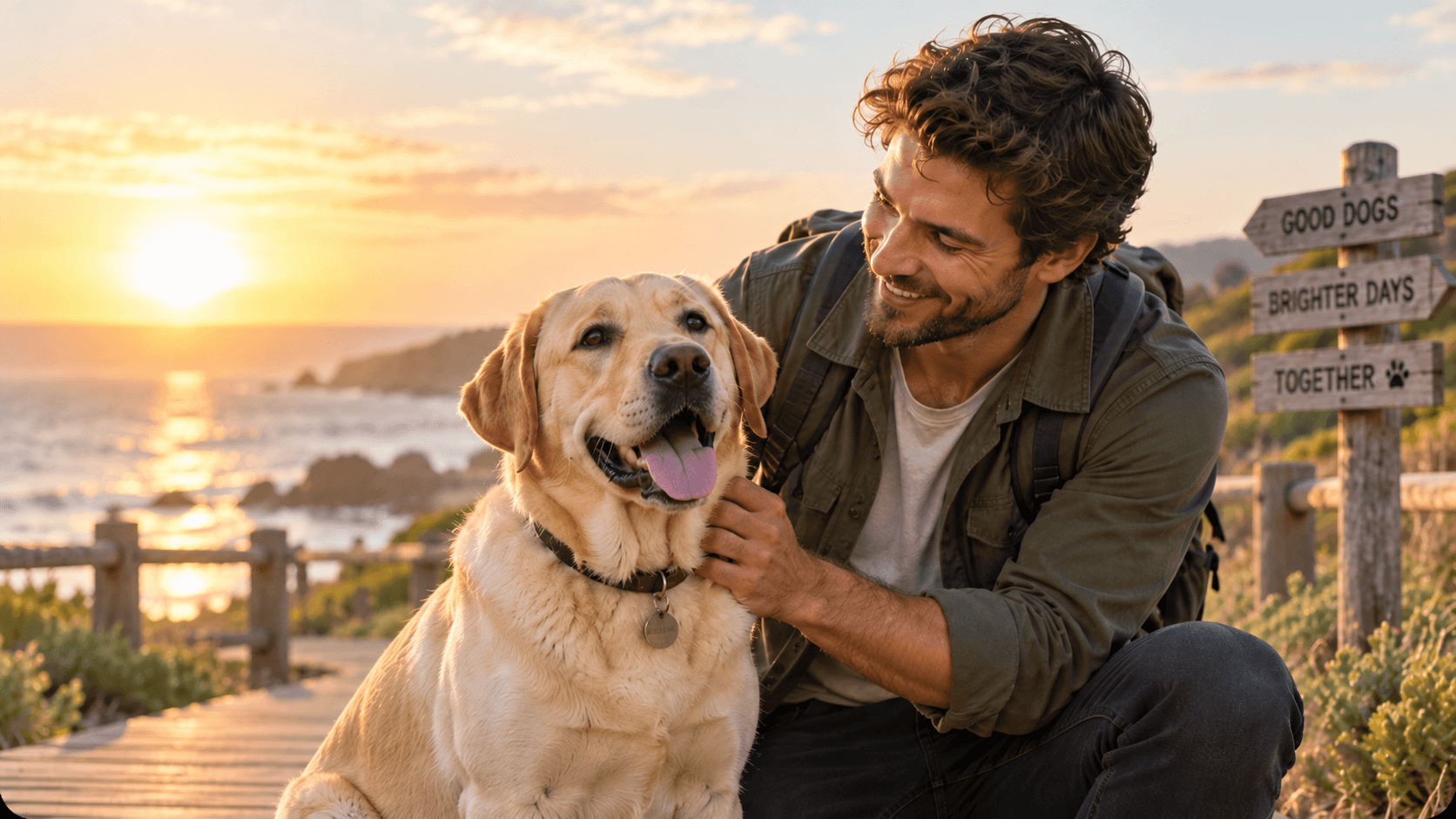
Play sessions
Fetch, tug, and chase games build the bond between you and your dog while burning energy. Match the intensity to your dog's age and joints — repeated high-impact play on hard surfaces can wear on growing puppies or senior dogs.
End play before your dog is exhausted. Stopping while it's still fun keeps them eager for the next session. Structured play with rules (start and stop on cue) also builds self-control. A dog who can disengage from play when asked is more reliable in other high-arousal situations.
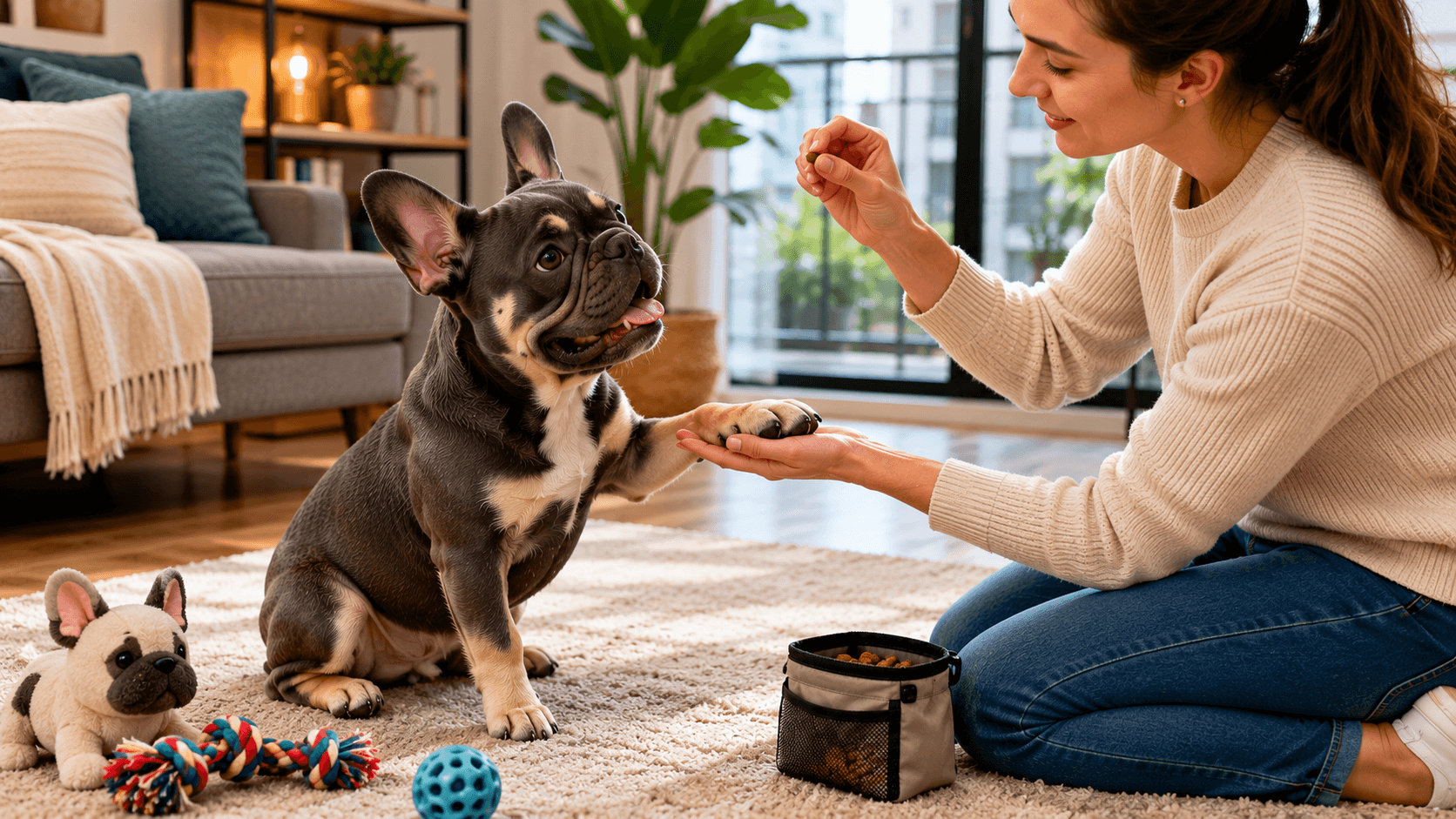
Mental enrichment
Mental enrichment can be as tiring as physical exercise. Useful options include:
- •Puzzle feeders — turn a meal into a slow problem-solving session
- •Snuffle mats — encourage natural foraging
- •Short training refreshers — five-minute sessions practicing known cues
- •Scent games — hide treats around a room and let your dog find them
- •New routes — even a small change in walking route adds variety
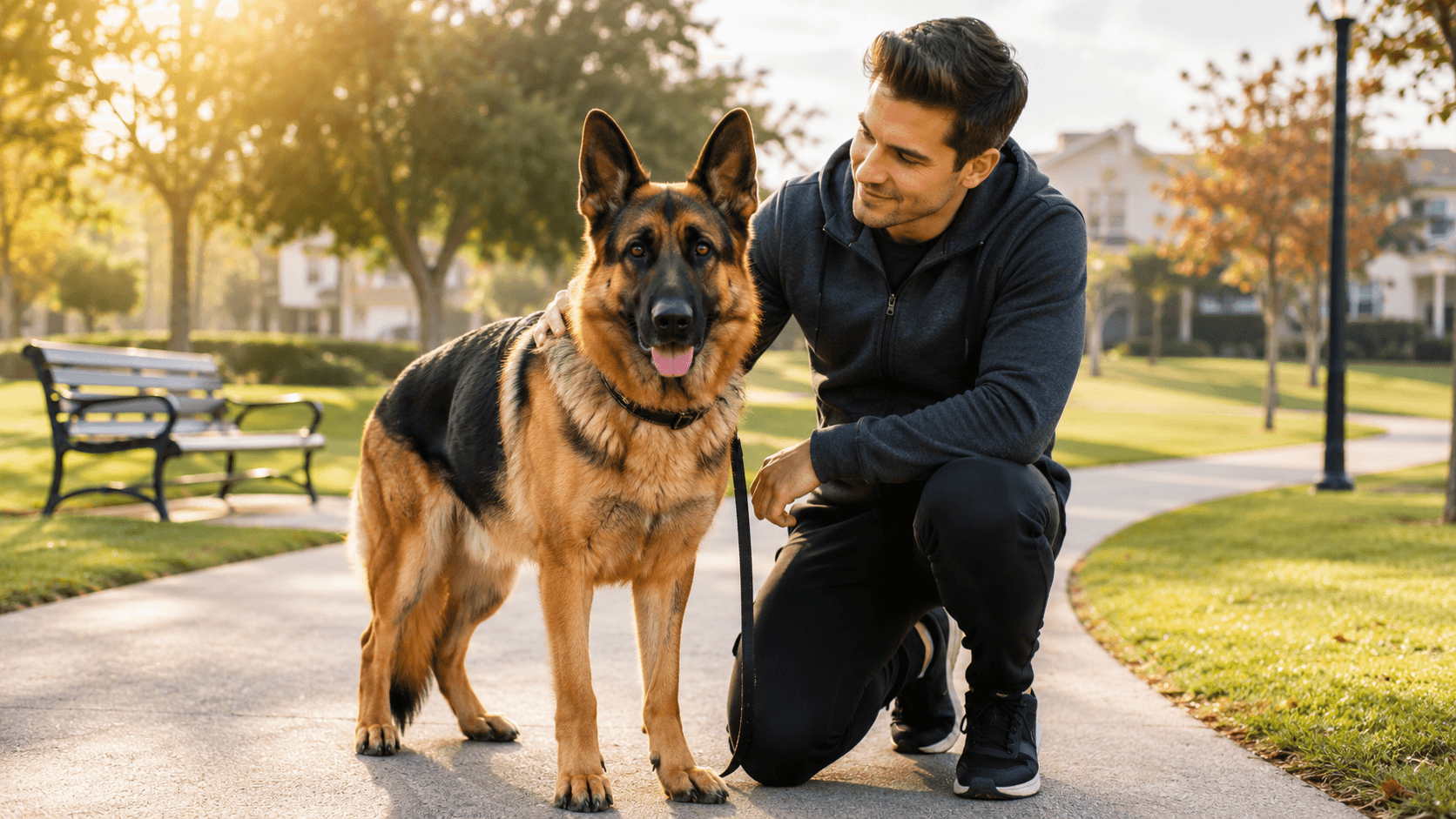
Low-impact options for senior dogs
Senior dogs still need activity — just gentler kinds. Slow sniff-walks on soft surfaces, short play with lighter toys, and food-based puzzles let them stay engaged without taxing aging joints.
If your senior dog is reluctant about walks they previously enjoyed, check with your vet before assuming they've just slowed down. Reluctance to walk can signal joint pain that's manageable with treatment.
Outdoor safety
Watch for hot pavement in summer (place the back of your hand on it for a few seconds — if it's uncomfortable for you, it's too hot for paws), bring water on long outings, and adjust activity in extreme temperatures.
If you only have 5 minutes right now
- •Hide 5–6 treats around one room and let your dog find them
- •Ask for 3 known cues in a row, reward generously
- •Put their kibble in a snuffle mat or scatter it across a towel
- •Play two minutes of gentle tug then ask for a sit
- •Hand-feed a few pieces of food while asking for calm loose-leash attention
Turn care routines into lasting habits
Set reminders, build daily checklists, and track feeding, grooming, and exercise in one calm place.