Adult dog care is mostly consistency — and noticing when the pattern breaks
Once a dog moves past their first year or two, their routine becomes the baseline you read their health against. Steady meals, regular exercise, preventive care, and attention to small changes — the things that seem routine are the things that surface problems early.
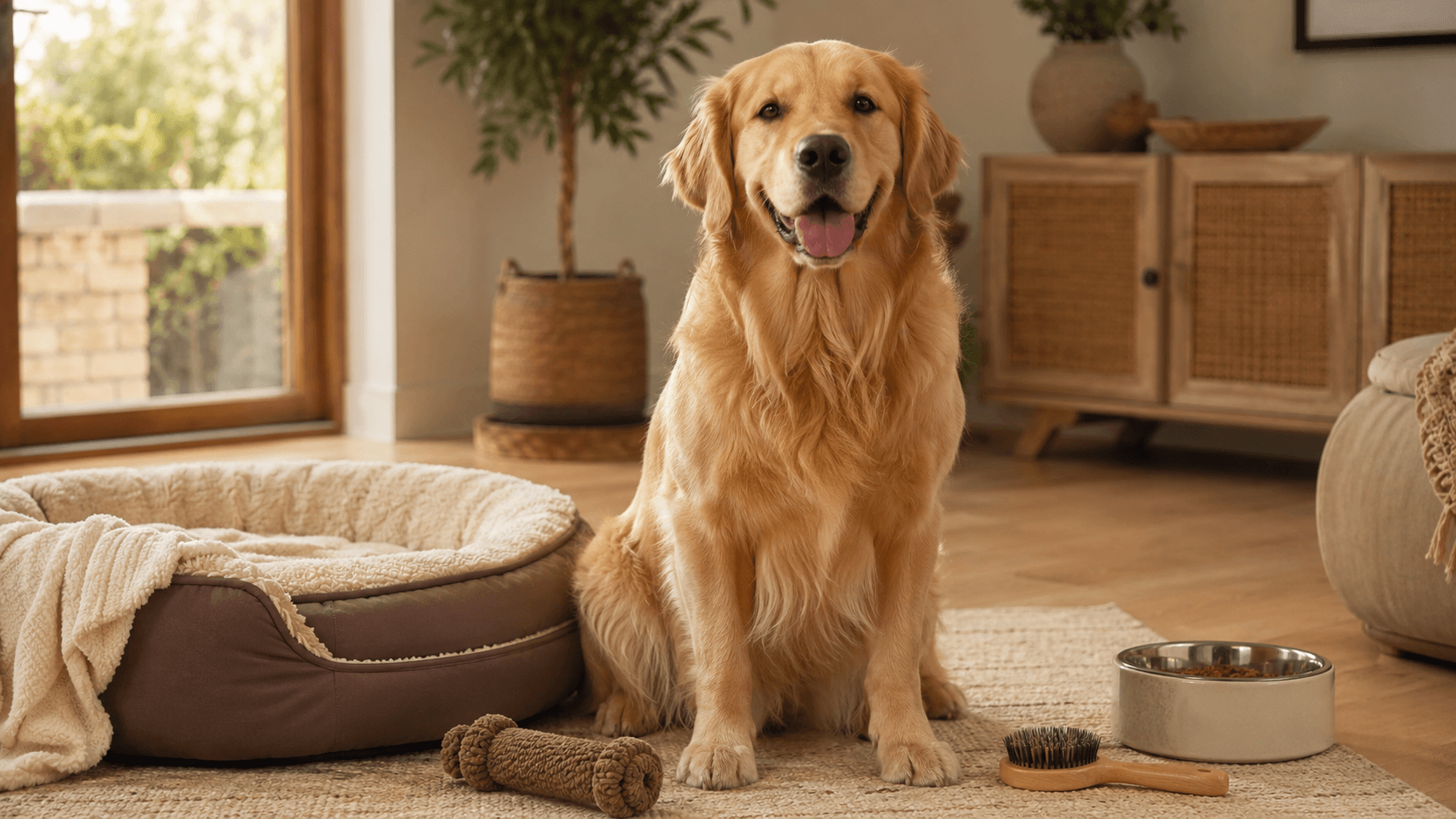
Life stages
Young adult — roughly 1 to 6
Energy is high, behavior patterns are still being shaped, and this is the period when weight and activity habits get established. Consistency in feeding and exercise has a longer payoff than at any other stage.
Mature adult — roughly 7 and up
The transition to senior often happens gradually rather than on a birthday. A dog who slows on walks, hesitates at stairs, or changes their appetite is giving you information worth noting and discussing with your vet.
Age ranges vary significantly by breed size — large and giant breeds often age faster than small breeds.

Daily routine
Adult dogs do well with two meals a day, scheduled walks, time for play, and quiet rest periods. Most dogs benefit from at least one longer walk plus a few shorter outings, but exact needs vary by breed, age, and individual energy level.
Predictable mealtimes, walks, and bedtime help dogs feel settled. Routines also make it easier to notice when something changes — a missed meal or unusual restlessness stands out against a steady baseline.
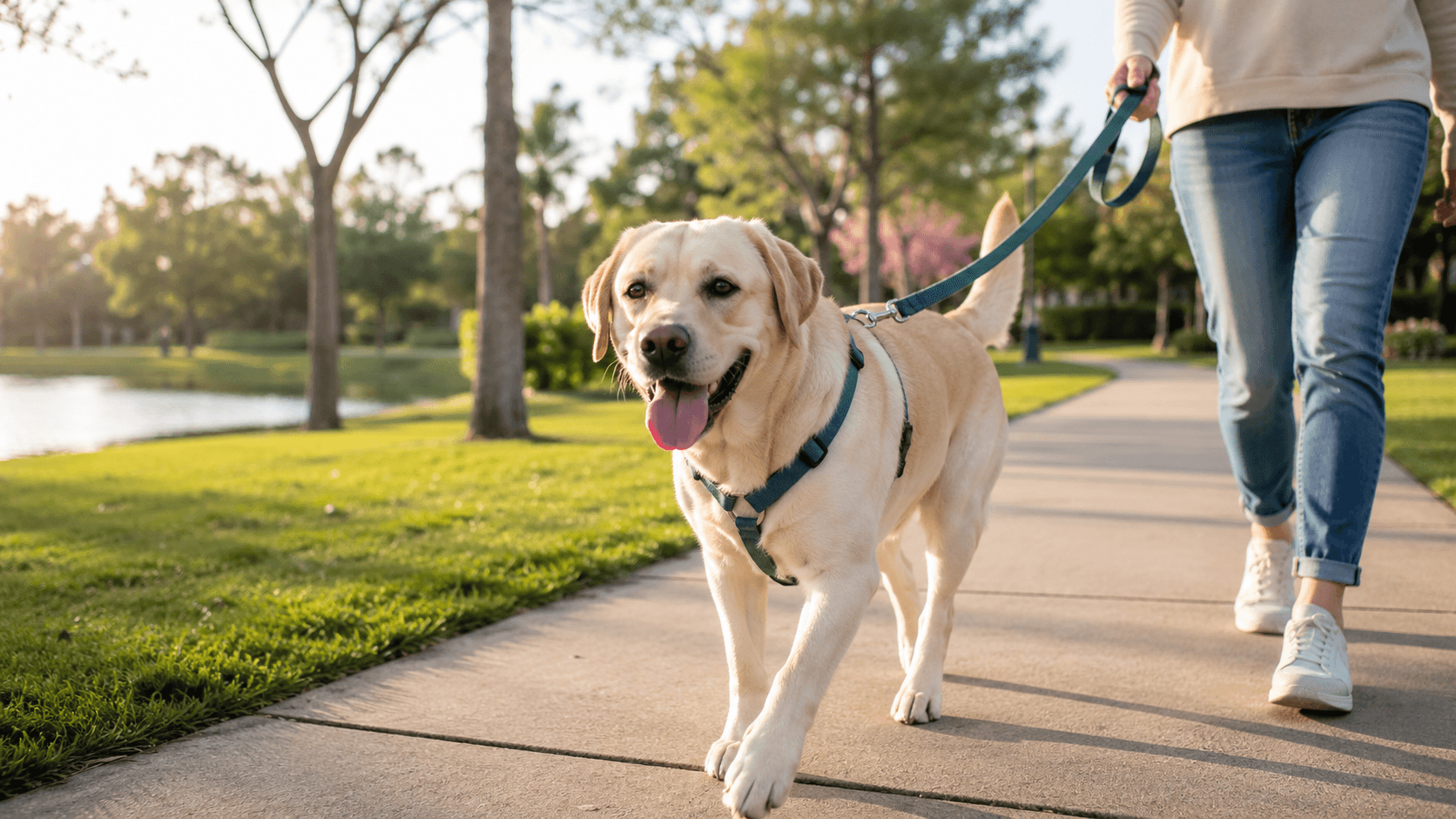
Exercise and enrichment
Physical activity keeps muscles strong, joints mobile, and weight in a healthy range. Match exercise to breed and individual capacity — a high-energy working breed will need much more than a low-energy companion breed.
Mental enrichment matters just as much as physical activity. Puzzle feeders, scent games, short training refreshers, and varied walking routes give dogs something to think about and reduce boredom-driven behaviors.
Nutrition and weight
Choose a complete and balanced adult formula and feed measured portions rather than free-feeding. Body condition is more reliable than the scale alone — you should be able to feel ribs without pressing, see a waist from above, and notice a gentle abdominal tuck from the side.
Count treats as part of the daily total. Small portion creep is one of the most common causes of gradual weight gain in otherwise healthy dogs.
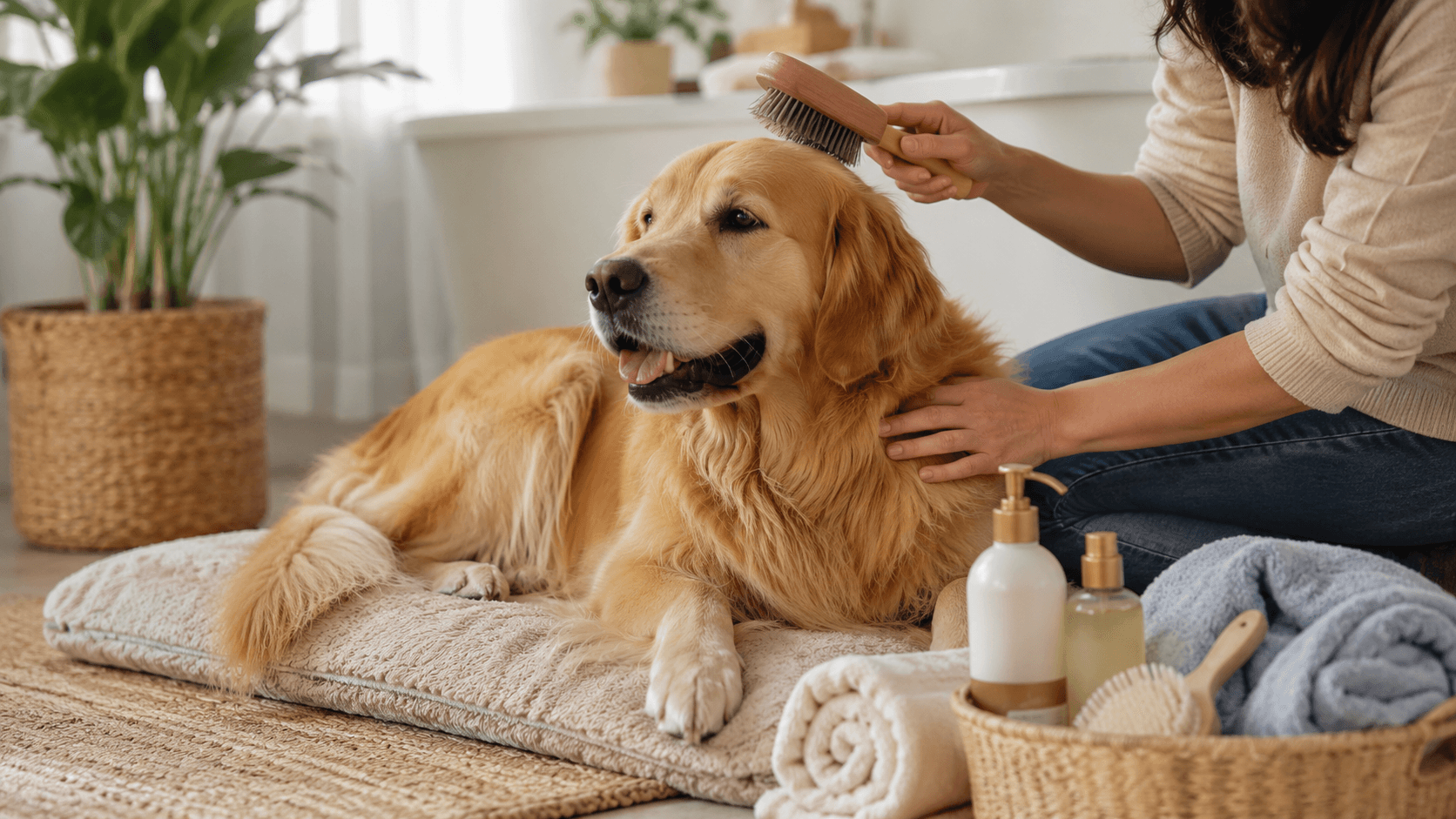
Dental care
Dental disease is one of the most common — and most preventable — health issues in adult dogs. Brushing several times a week with a pet-safe toothpaste, providing dental-appropriate chews, and asking your vet to assess oral health at each visit all help.
Bad breath, reluctance to chew, or visible tartar are reasons to bring up dental care with your vet, who can advise whether a professional cleaning is appropriate.

Preventive care
An annual wellness exam, up-to-date vaccinations, year-round parasite prevention, and periodic bloodwork (especially as a dog approaches senior years) form the backbone of preventive care. Keep a record of vaccinations, weights, and any concerns you raise — patterns over time are valuable.
Questions worth asking every month or two
- •Is the dog's weight the same as last time I checked?
- •Are they finishing meals at the same pace?
- •Have walks changed — shorter, slower, or any hesitation?
- •Any new lumps, coat changes, or persistent scratching?
- •Are they sleeping more or differently than usual?
- •Have they stopped doing something they normally do?
Keep your pet's health in one place
Log symptoms, track medications, and store vet visit notes so nothing important gets forgotten.