Before calling it a problem, ask what your dog was trying to accomplish
Most dog behavior that frustrates owners is a dog doing something that makes sense from their perspective. Understanding the why makes it easier to redirect effectively — and easier to notice when a behavior change signals something medical rather than behavioral.
Reading body language
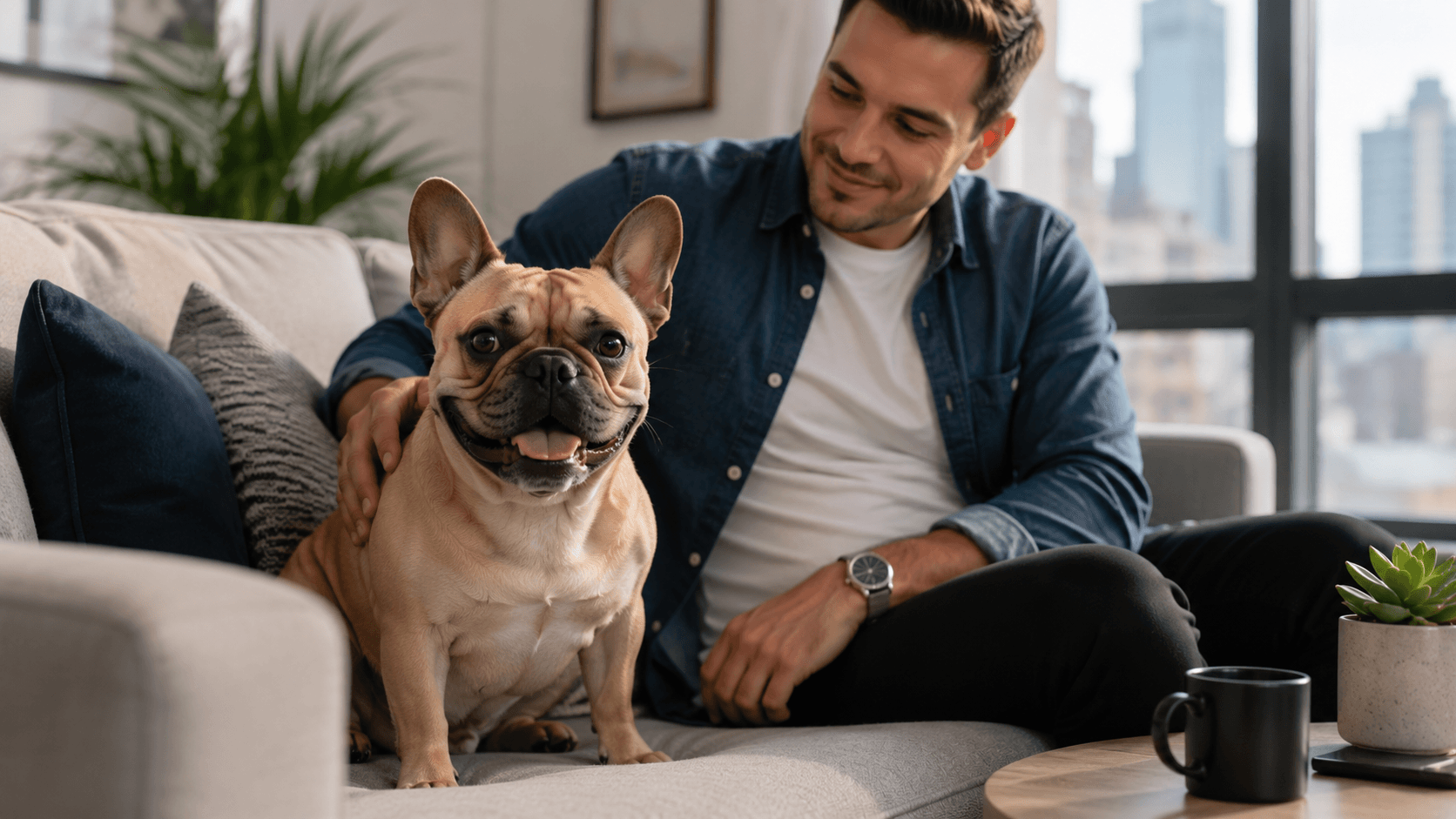
A relaxed dog has soft eyes, an open mouth, and a loose body. Stiffness, a tucked tail, avoiding eye contact, lip licking, or yawning outside of tired moments are common signs of discomfort or uncertainty. Notice context: the same behavior can mean different things depending on what's happening around your dog.
Tail wagging isn't always a sign of happiness. A high, stiff wag often signals arousal rather than friendliness, while a low, sweeping wag with a loose body is more relaxed. Ears pulled back, weight shifted to the rear, or a dog that suddenly freezes mid-movement are all worth noticing in context. The same signal in different situations can mean different things — a dog yawning at the vet is different from a dog yawning during a play session.
Anxiety and stress signals
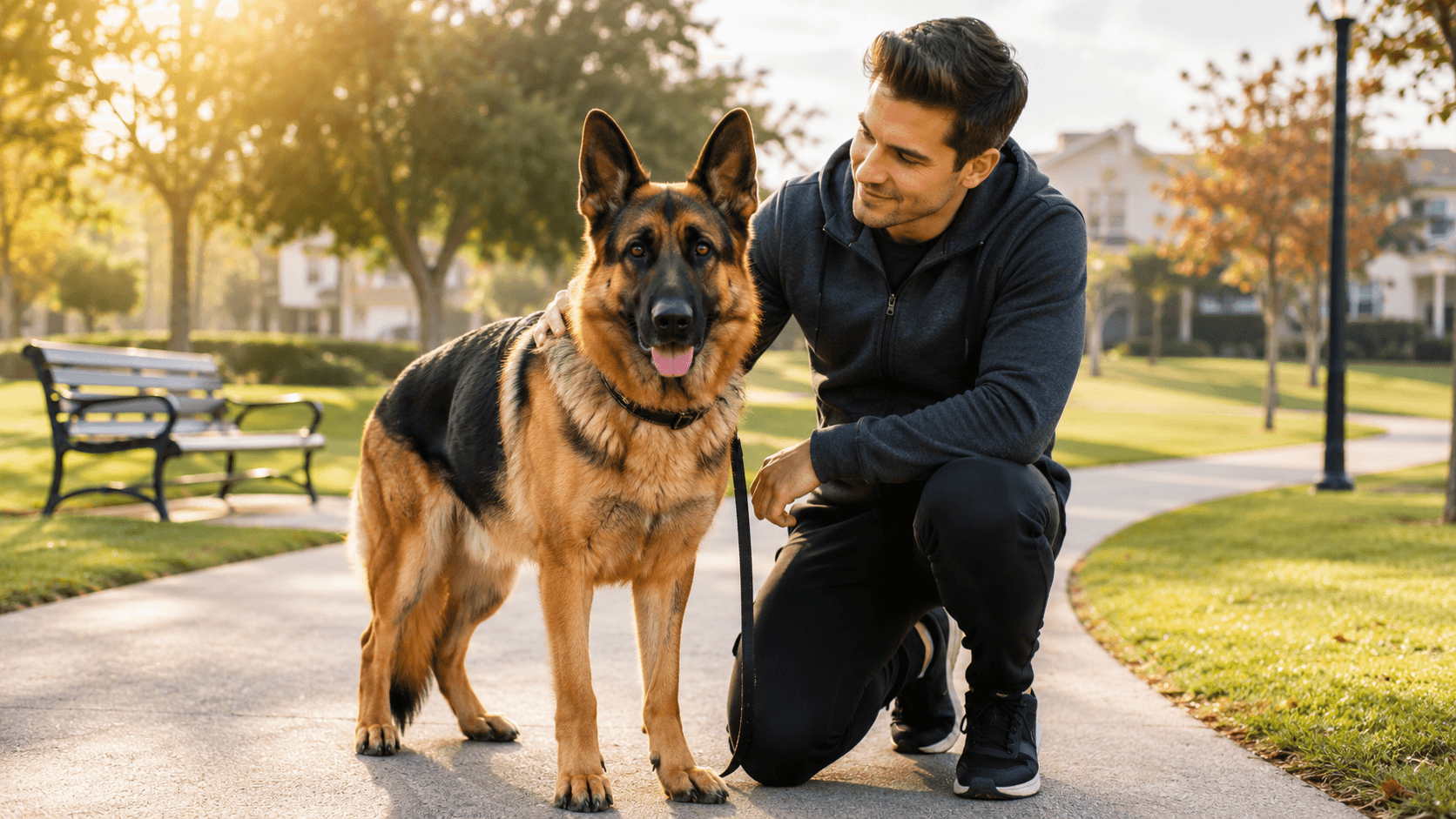
Common signs of stress include excessive panting outside of heat or exercise, pacing, destructive chewing, hiding, refusing food, or sudden vocalization. Identifying the trigger — visitors, vehicles, separation, storms — is the first step to building a calmer response.
One underappreciated stress signal is a dog who becomes very still and avoids making eye contact. This is not a calm dog — it's a dog who has decided that stillness is the safest response. If your dog regularly shuts down in certain situations, that pattern is worth discussing with a trainer or veterinarian.
Confidence and new situations
Confident dogs are made through positive, gentle exposure to many different sights, sounds, people, and other animals — at a pace that matches their personality. Forcing interactions usually backfires. Let the dog set the speed, and reward calm, confident behavior.
A dog who has never been exposed to something — children, traffic noise, umbrellas, bikes — may react with alarm the first time they encounter it even as an adult. Gradual, positive re-introduction at the dog's pace usually reduces these responses over time.
Reward the behavior you want
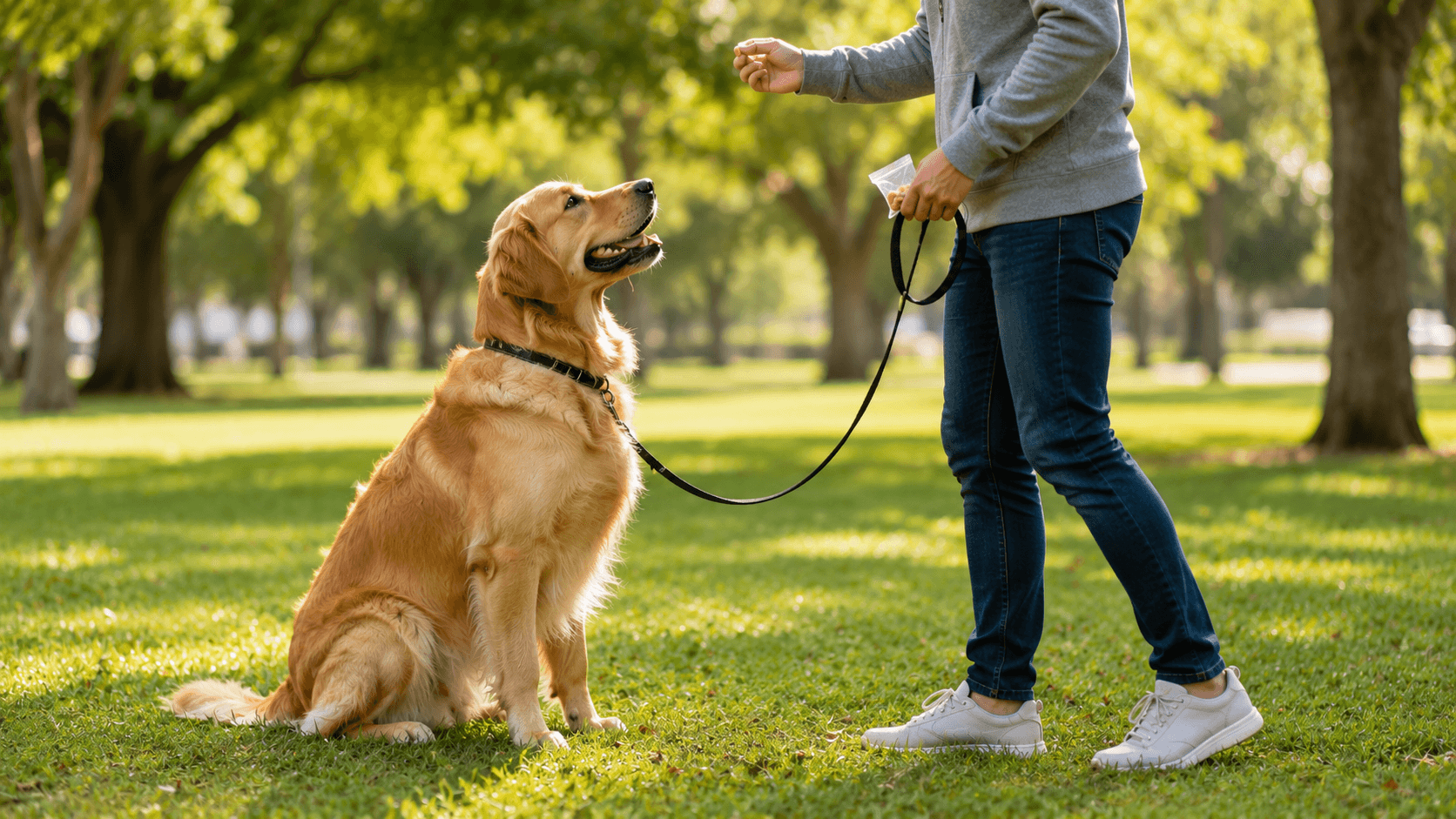
Positive reinforcement is the most effective and humane approach to training. Reward the behavior you want, ignore or interrupt behavior you don't, and avoid punishment — which often increases anxiety without teaching the dog what to do instead.
The most common training mistake is trying to manage behavior reactively — stepping in after the unwanted behavior happens. The more effective approach is to create opportunities for the behavior you want and reward it when it occurs. A dog that sits and gets attention learns to sit; a dog that jumps and gets pushed away may just learn that jumping starts an interaction.
Sudden behavior changes
A normally relaxed dog who becomes withdrawn, snappy, or unusually clingy may be in pain or unwell. Pain changes behavior before it becomes visible. A dog who suddenly reacts to being touched in a place where they didn't before, or who hesitates at stairs that were previously no problem, is giving you specific information worth acting on.
Behavior change can be the first sign of an underlying health issue — so when something shifts noticeably and without obvious cause, a veterinary check-in is a good first step before assuming a training problem.
When the routine changes, so does the dog
A dog who is uncomfortable, bored, in pain, or stressed will often communicate it through routine disruption before anything more obvious. They may stop greeting you at the door, lose interest in food they normally enjoy, or become reluctant to go on walks they used to pull toward. These are not personality changes — they are signals. Logging what changed and when, even just a few words, gives you something concrete to share with your vet rather than trying to reconstruct events after the fact.
Noticed a behavior change?
Log it while you remember it — what happened, when it started, what was different. A few notes made now are more useful at a vet appointment than trying to reconstruct events later.
Open PetMyDear to log →Keep notes on what changes
Log behavior observations and symptoms, set care reminders, and share notes with your vet when something is worth tracking.