Beagle Training & Behavior Guide
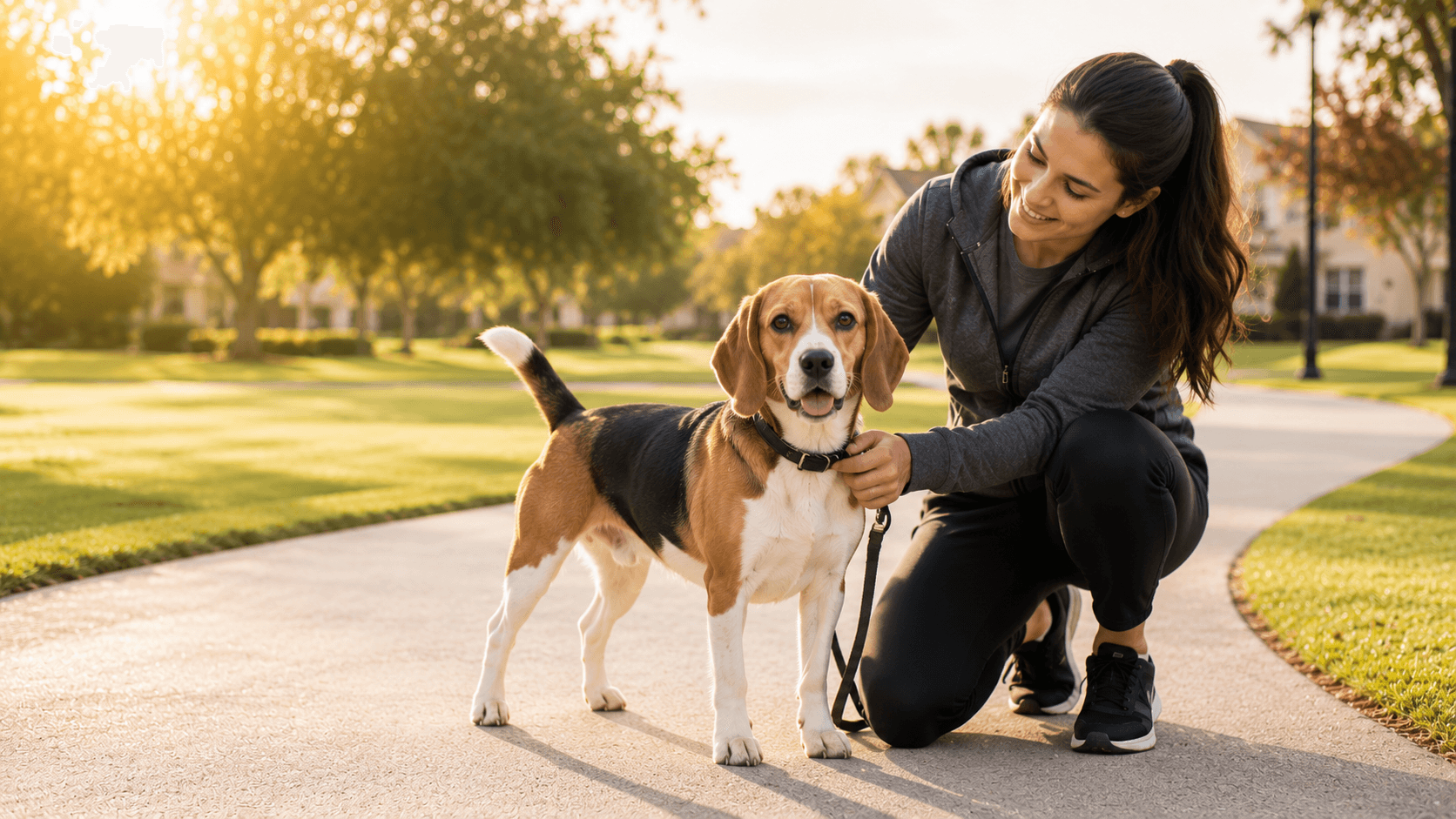
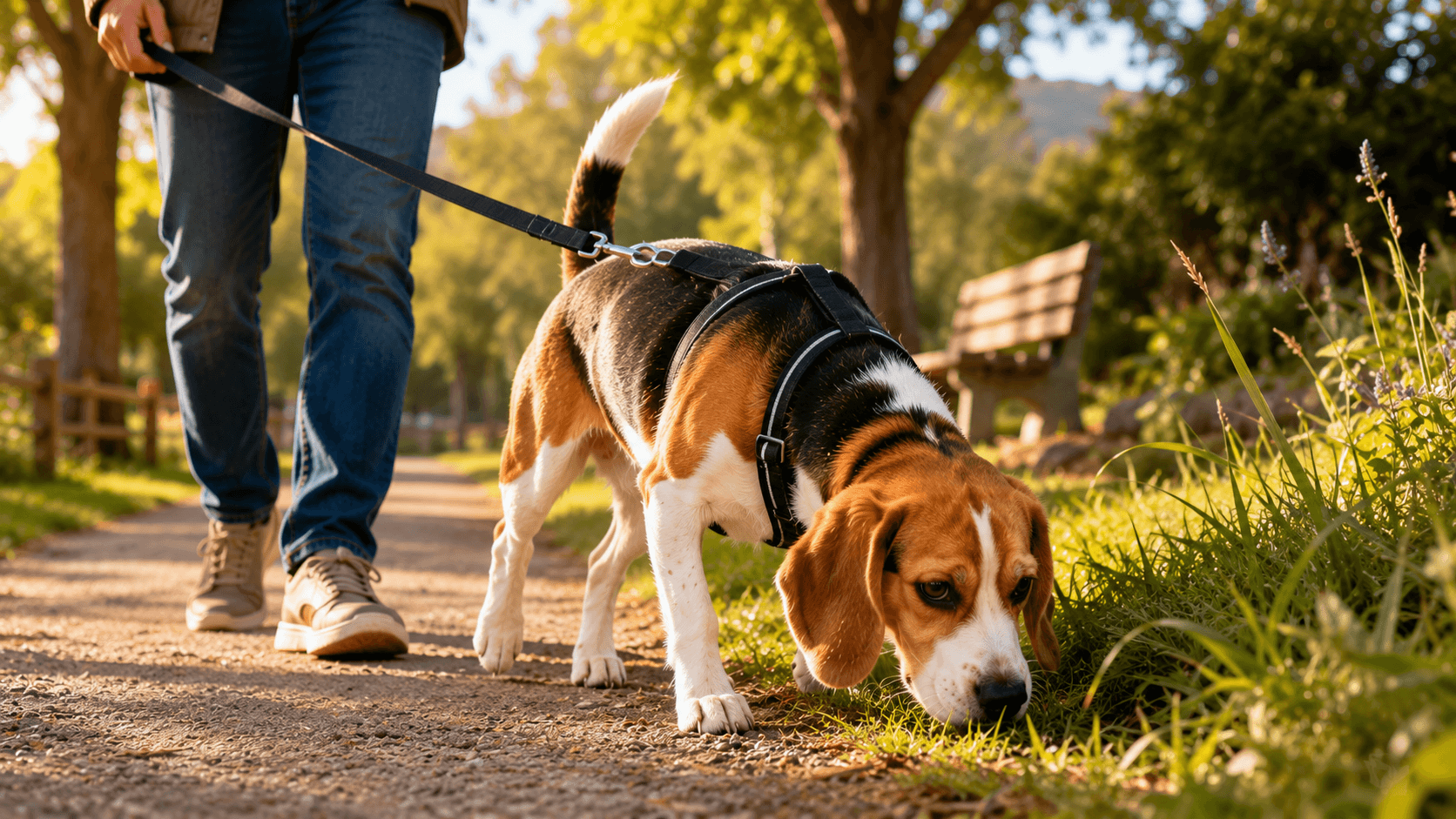
Training a Beagle requires accepting that their attention is not fully yours when something interesting is in the air. Sessions should be short, high-value-treat-dependent, and held in low-distraction environments until behaviors are solid. Recall practice should be a daily habit in safe, enclosed spaces — building the response before it's needed in a situation where the dog has other options. Howling is a normal Beagle behavior and not generally trainable away, but managing triggers — boredom, separation, specific sounds — reduces frequency. Nose-work games and scent activities channel the breed's drive constructively and provide mental exhaustion that long physical walks alone often don't.
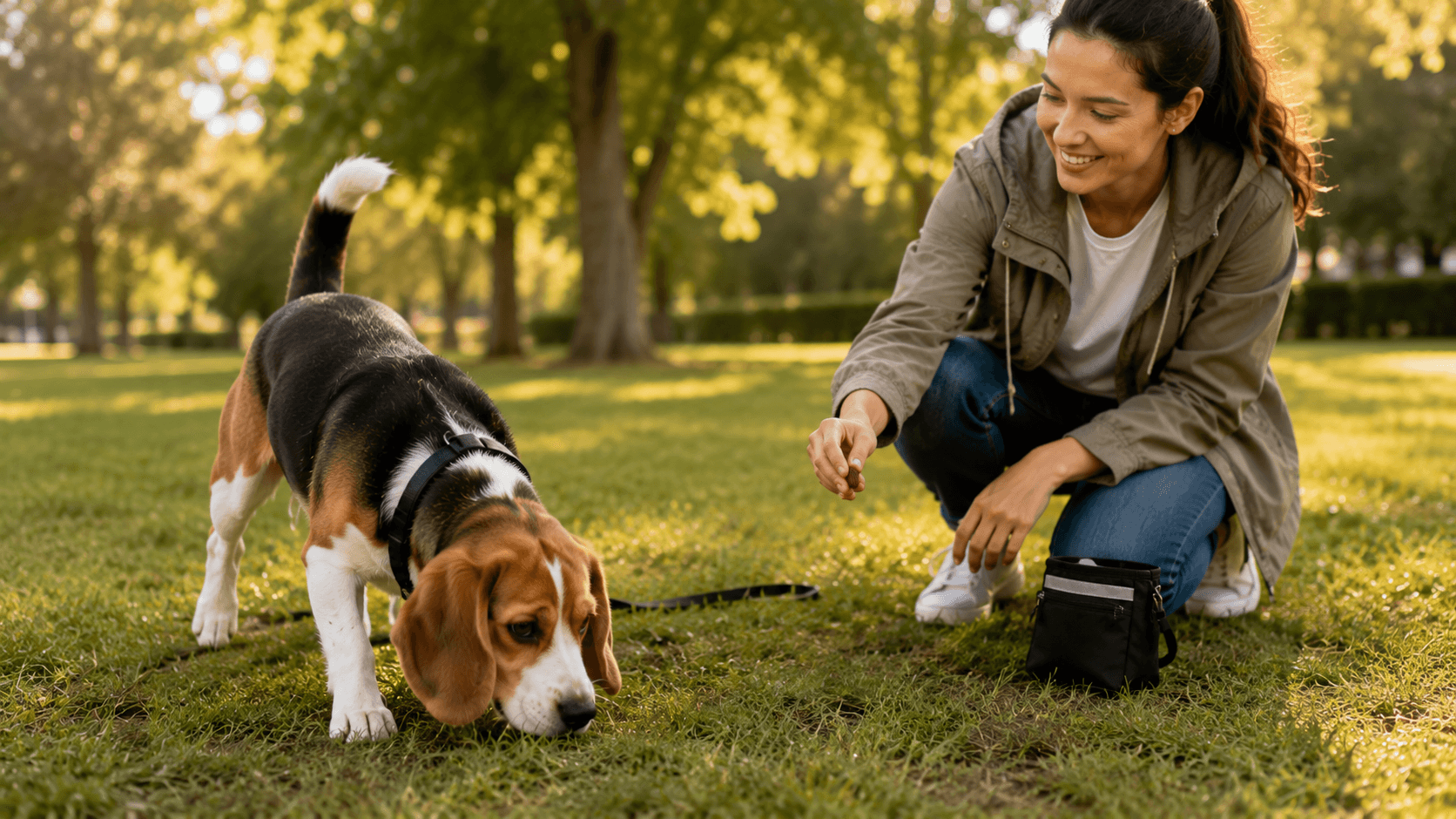
Beagle at a glance
Personality
curious, cheerful, scent-driven, social
Best for
families and owners who can manage scent-driven exploring with structure
Care focus
sniff walks, scent games, secure outdoor play, and recall practice
Grooming
simple brushing, ear checks, nail trims, and regular dental care
Training style for Beagle
nose-work games, boundary training, anti-counter-surfing habits, and calm alone time. Keep sessions short (5–10 minutes), use positive reinforcement, and end on a success. Consistency across household members is key.
Core skills to build
Common behavior questions
Pulling on the leash, jumping on guests, barking, and separation anxiety are common across many breeds. For Beagle-specific approaches, review the FAQs below and log your training progress in PetMyDear.
Track it in PetMyDear
The everyday care focus for a Beagle is sniff walks, scent games, secure outdoor play, and recall practice. Set reminders, log routines, and build a care history you can share with your vet — all in one place.
Get the appFrequently asked questions
Are Beagles hard to train?+
How do I teach recall to a Beagle?+
Why does my Beagle howl and bay?+
How do I stop my Beagle from pulling on the leash?+
How do I keep my Beagle mentally stimulated?+
More Beagle guides
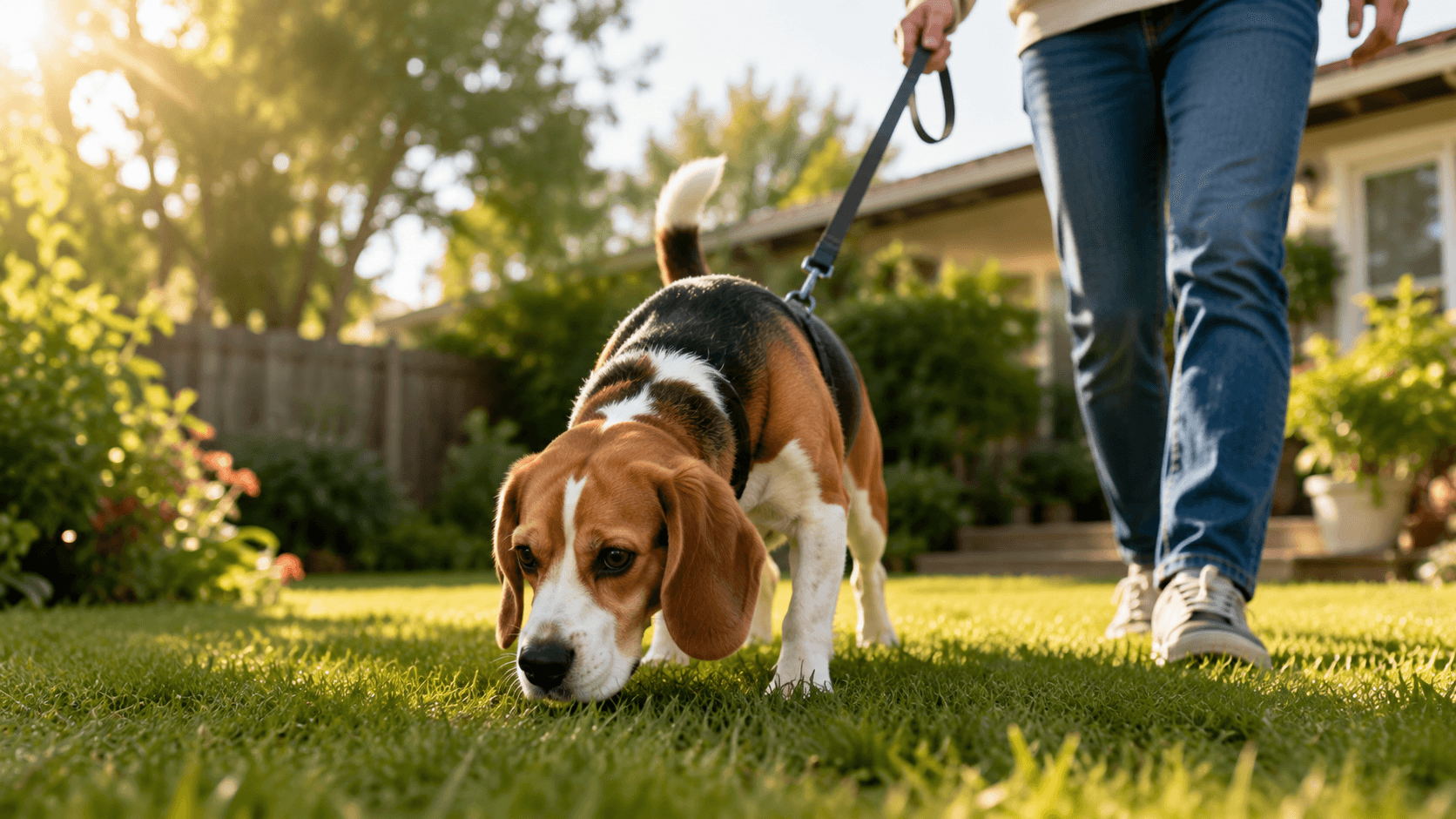
Beagle Overview
Complete breed guide with quick snapshot, care priorities, and everything you need to get started.
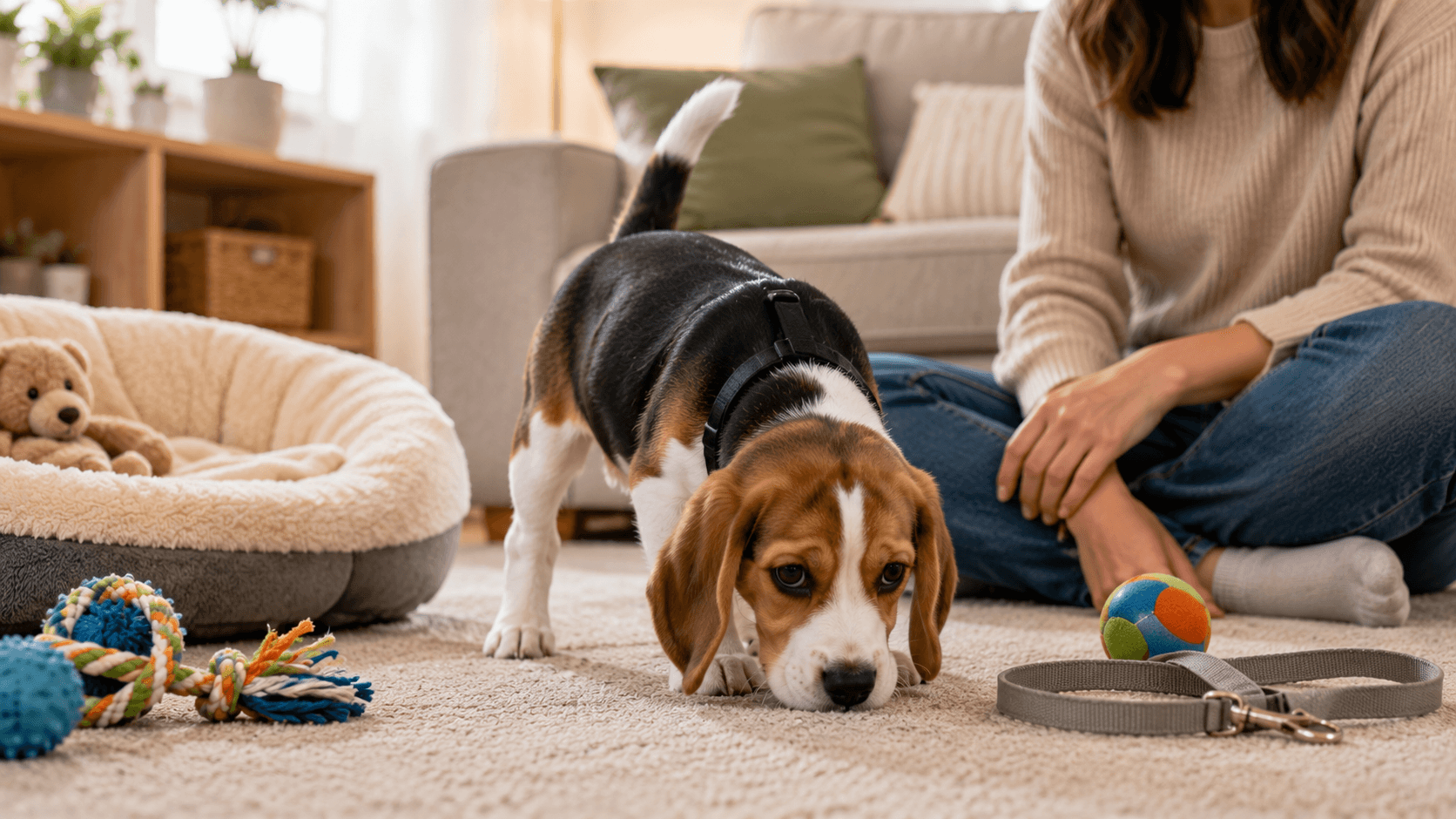
Puppy & First-Year Guide
First-year essentials — vaccinations, potty training, socialization, and building a confident routine from day one.
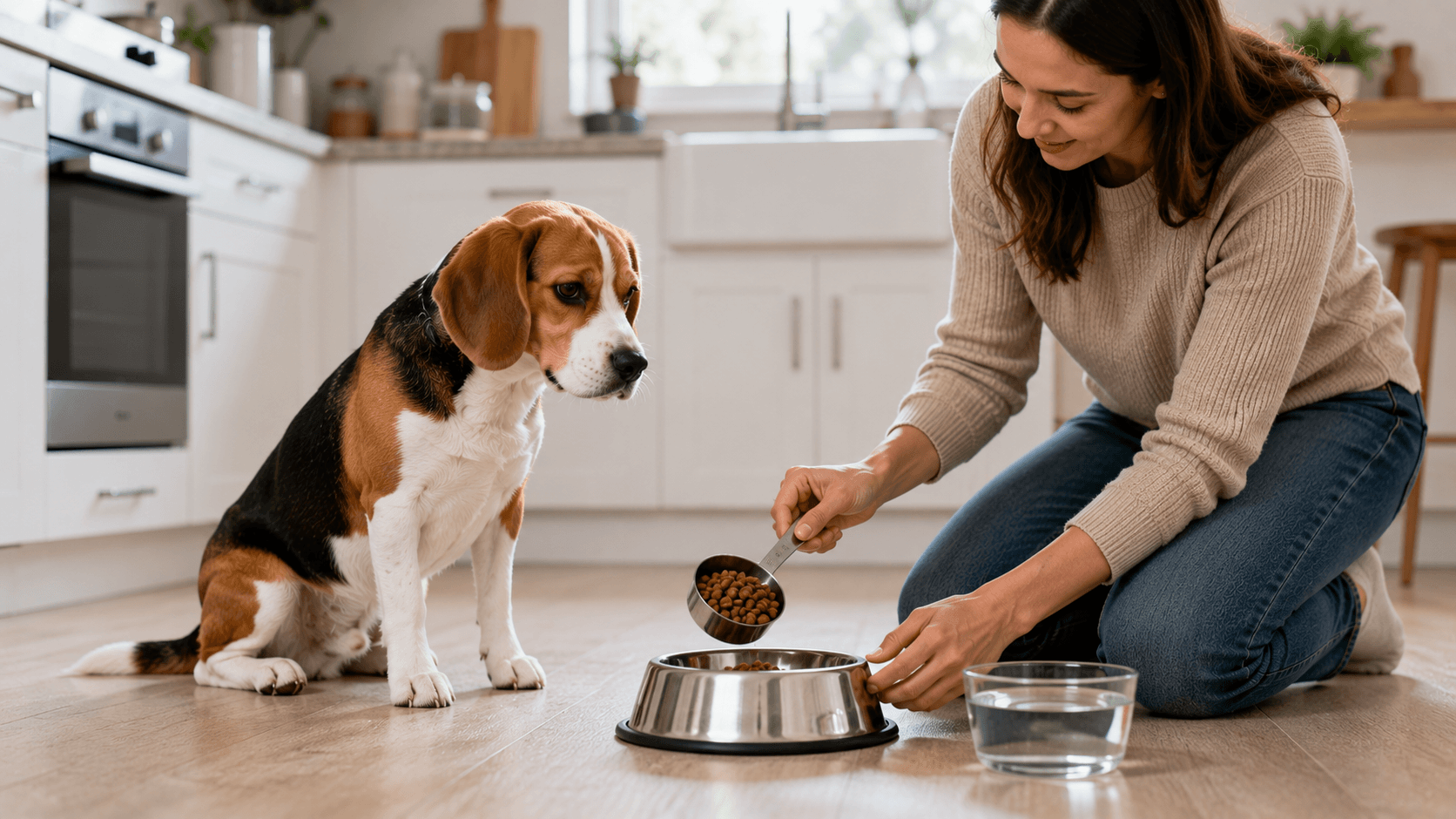
Feeding & Nutrition Guide
Portion guidance, meal schedules, weight tracking, and how to switch foods without upsetting your dog's stomach.
Health, Symptoms & Care Records
Symptom tracking, vaccination records, vet visit notes, medication logs, and preventive care reminders.
Grooming, Exercise & Lifestyle
Brushing schedules, coat care, nail trims, exercise plans, and seasonal lifestyle tips for every day.
Download PetMyDear App
Track routines, set reminders, and keep your Beagle's care history organized in one place.
Keep notes on what changes
Log behavior observations and symptoms, set care reminders, and share notes with your vet when something is worth tracking.