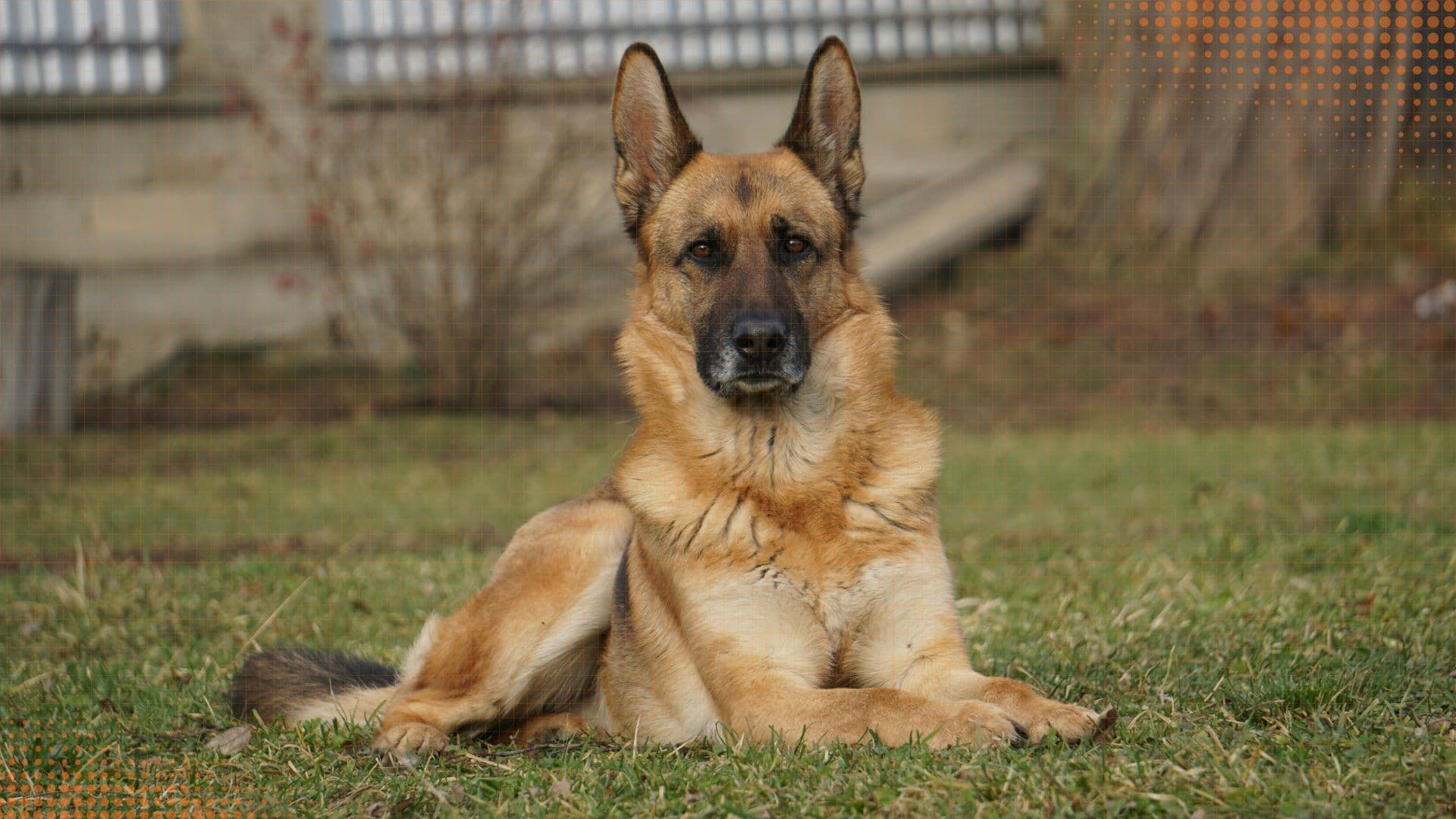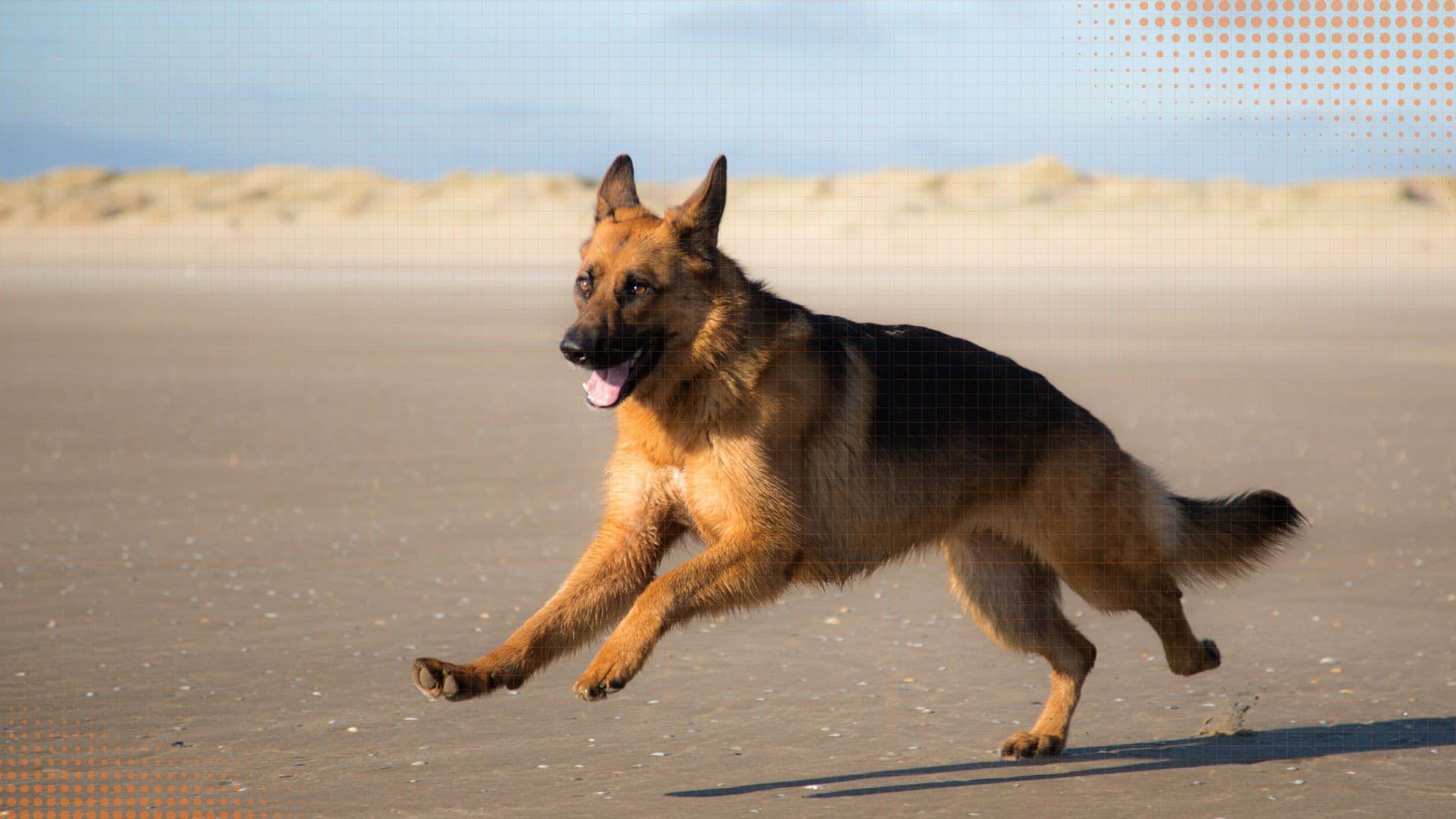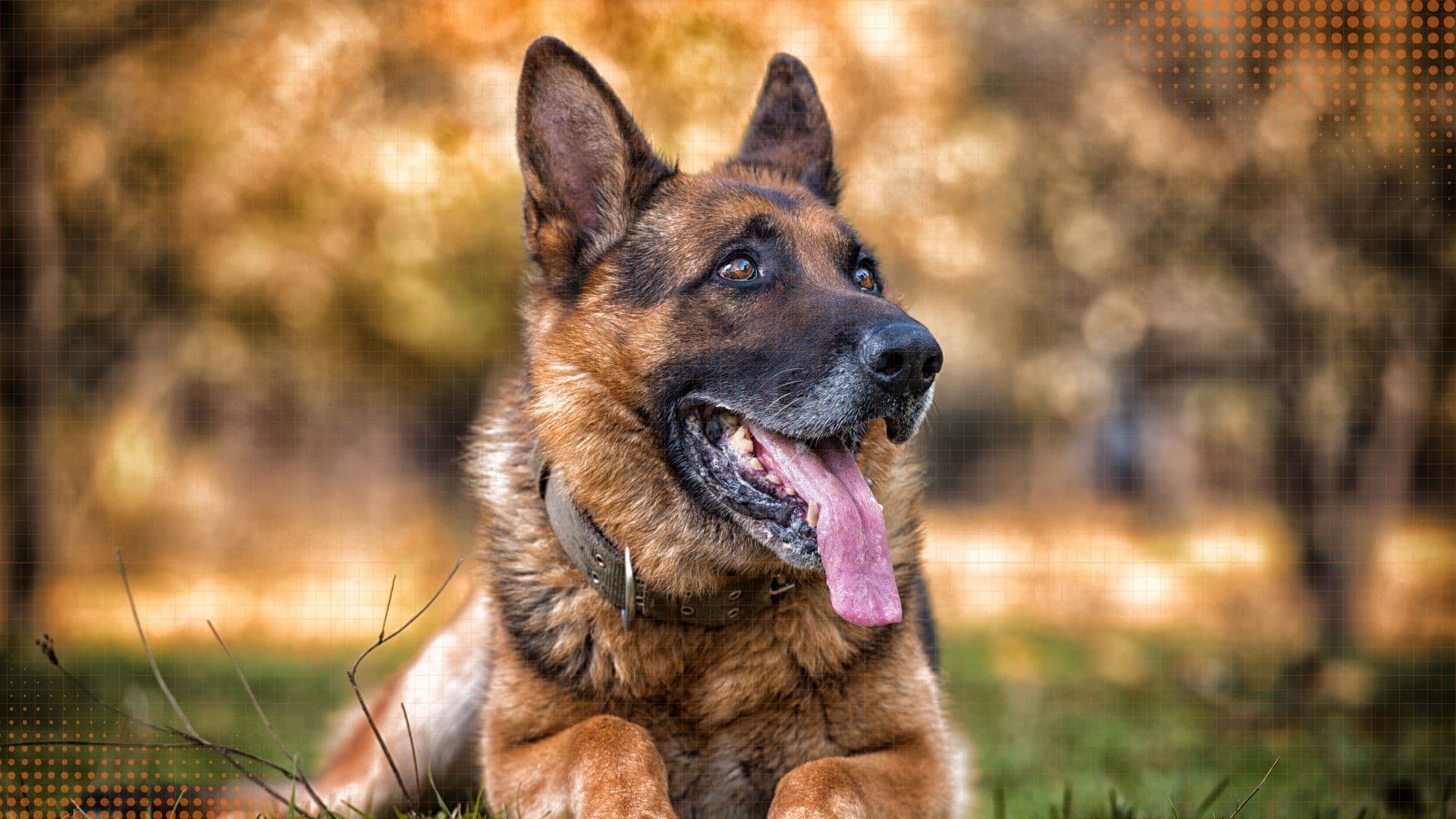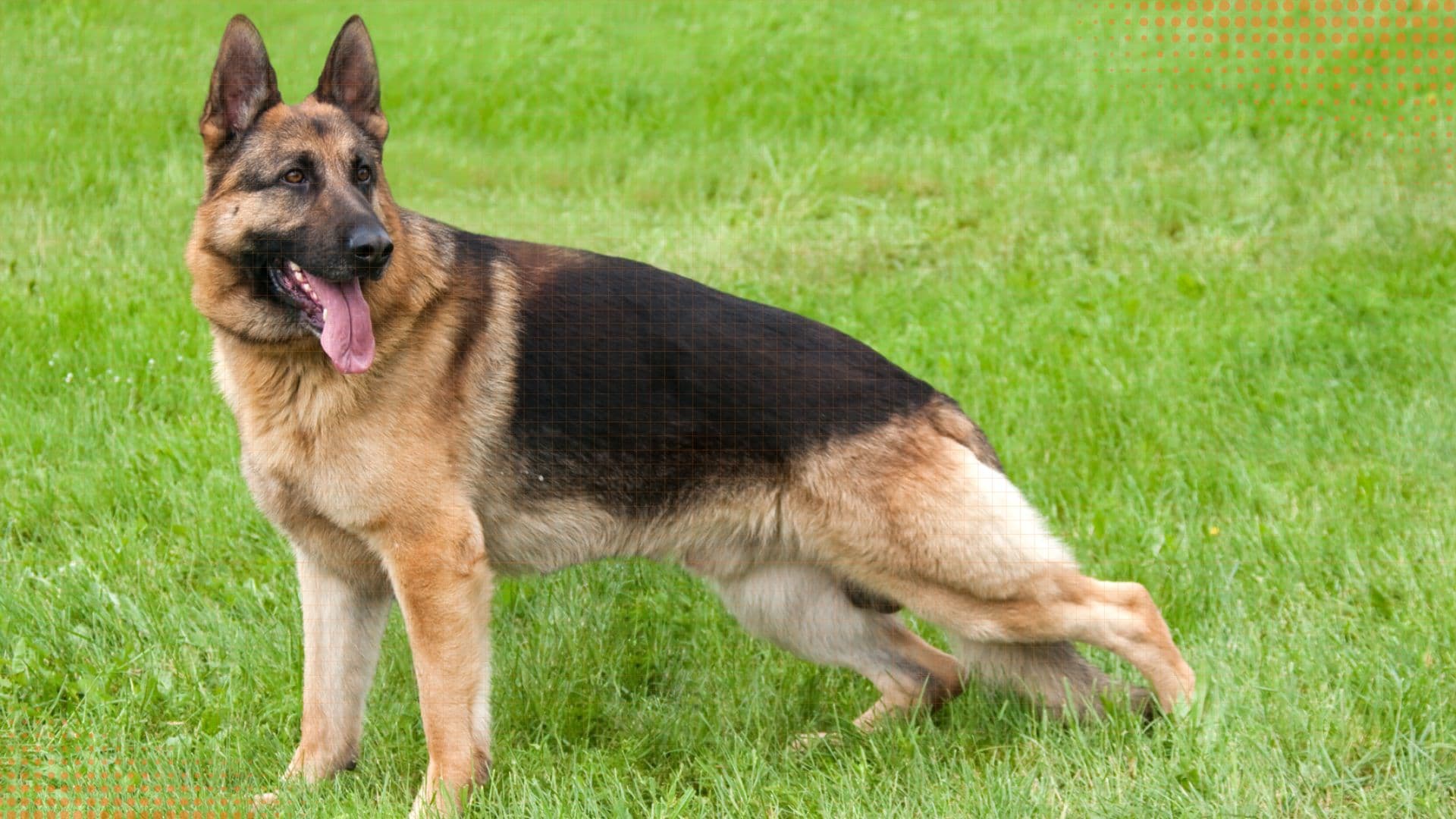
The dog beside you, even when you’re only going to the kitchen
Perhaps your German Shepherd gets up every time you do. Perhaps they bring you a damp tennis ball just as you sit down, or wait outside the bathroom as though you might need assistance. Those little habits can become the things you love most about living together.
Then there are the less charming moments: muddy paw prints, fur on a freshly washed shirt, a walk that leaves you more tired than the dog. You can adore your Shepherd and still find some days difficult. A useful care routine needs room for both.
Whether you’re choosing your first dog or getting to know the one already asleep at your feet, start with the individual in front of you. A breed description can introduce you. It can’t tell you everything about your dog.
Does any of this sound like your Shepherd?
Maybe yours carries a favorite toy from room to room. Maybe they have a particular spot by the sofa, or a head tilt that makes it impossible to finish a sentence without smiling. The little details are what turn a breed into your dog.
Your unofficial shadow
You get up to fetch a glass of water and suddenly have company. Even the smallest errand can become something you do together.
The keeper of the tennis ball
A toy lands at your feet. Then comes the look. You may be ready to put your feet up; your dog has brought a different suggestion.
The surprisingly soft side
Behind that alert expression might be a dog who leans against your leg or falls asleep with one paw touching your foot.
Yours might be quieter, more independent, or interested in something completely different. There is room here for that dog, too. As you read, keep their favorite things and little worries in mind.
Make room for the dog’s personality
German Shepherds were developed to work closely with people. Many are attentive, active companions; some are reserved with strangers. Your dog doesn’t need to greet everyone who admires them. A comfortable distance and a quiet introduction can be enough.
Before bringing one home, picture an ordinary Tuesday. Who handles the morning walk? What happens when work runs late? Where can the dog rest without being disturbed? A garden is useful, but someone still needs to make time for walks, company, and teaching everyday manners.
In a family home, give children and dogs clear boundaries. Supervise their time together, leave the dog alone during meals and sleep, and provide a retreat children don’t follow them into. Affection grows more easily when everyone gets some breathing room.
The puppy stage can be a lot
A puppy can look wonderfully peaceful asleep and be attached to your trouser leg ten minutes later. Keep suitable chew toys close, offer frequent toilet breaks, and make a quiet sleeping space part of the day. If play becomes frantic, pause rather than adding another exciting game.
Introduce brushing, a harness, and gentle paw handling in tiny, pleasant steps. You don’t need to finish all four paws in one sitting. Meeting the world should also happen at a pace your puppy can manage: watching a bicycle from a distance counts as an experience. Ask your vet how to balance early socialization with local infection risks while vaccinations are underway.
Keep a simple note of meals, toilet trips, and naps for a few days. You may spot a pattern that makes tomorrow easier.
Teach the moments you actually live through
Start with things that make sharing a home easier: coming when called, walking with a loose lead, leaving something alone, and resting on a mat. Reward the behavior you want. A few successful repetitions while the kettle boils can fit into a busy day.
If your dog barks at a visitor, give them space behind a gate or in another comfortable room. Practise calm arrivals with someone they know before expecting them to manage a crowded doorway. Shouting or painful corrections can add fear to an already difficult situation.
On a hard walk, shorten the route and choose somewhere quieter. If lunging, guarding, or distress keeps happening, involve your vet and a qualified reward-based trainer. You deserve help before every outing feels like a test.
Leave room for sniffing—and doing nothing
A healthy adult Shepherd usually needs substantial daily activity, but age, fitness, health, and weather change what that should look like. A puppy, a fit adult, and a dog with sore joints need different plans. Ask your vet about suitable exercise, especially before introducing running or repeated jumping.
Mix walks with a little training and something to investigate. Try hiding part of a measured meal for a supervised food search, or let your dog choose the sniffing stops on a familiar route. You don’t have to turn every walk into a workout.
Make rest available afterwards. If your dog struggles to settle, look at the whole day—including noise, discomfort, and overstimulation—before assuming they need more exercise. In hot weather, move outings to cooler hours and keep them easier.
Feed the dog in front of you
There isn’t one correct bowl size for every German Shepherd. Choose a complete and balanced food suited to your dog’s life stage, measure portions, and adjust with your vet using weight and body condition. For puppies, choose food appropriate for large-breed growth; extra calcium isn’t something to add without veterinary guidance.
Count training treats as food, too. Setting aside some of the daily kibble allowance for practice makes that easier. If several people feed the dog, a note saying “breakfast given” can prevent a very convincing second-breakfast request.
Bring ongoing appetite changes, vomiting, or loose stools to your vet rather than repeatedly swapping foods and hoping one works. Note what changed and when.
Yes, there will be fur
The German Shepherd’s double coat sheds, with heavier seasonal shedding to plan around. Regular brushing helps remove loose hair; during a heavy shed, you may need to brush more often. Keep sessions comfortable and stop if the skin looks irritated or your dog seems sore.
Put the brush somewhere convenient and pair a short session with an existing habit, such as the evening wind-down. Keep an old towel near the door for wet paws. These small arrangements are often easier to maintain than an ambitious grooming calendar.
Include nails and teeth in your care plan. Ask your vet or groomer to show you a gentle technique if you’re unsure, and get persistent itching, odor, or sore patches checked.
Notice the small changes you know are unusual
You’re the person who knows whether your dog usually finishes breakfast or bounds towards the lead. A hesitation on the stairs, a new limp, or a change in appetite is useful information. Describe what you see to your vet rather than deciding it must be a breed problem.
Hip and elbow health deserve attention in this breed. If you’re speaking with a breeder, ask to see the parents’ health-screening results. For the dog already at home, discuss comfortable movement, body condition, and preventive care at veterinary visits.
An ordinary day you can both enjoy
Use this as a starting point for a healthy adult, then adjust around your dog’s needs and your household. Puppies need more frequent meals, toilet breaks, and sleep opportunities.
- Morning
- A toilet trip and a walk with time to sniff. A measured breakfast and somewhere quiet to rest.
- Midday
- A toilet break, some company, and a brief game or training session if your dog is ready for it. Arrange help if you’ll be away through the day.
- Evening
- Another outing suited to the weather and your dog’s energy, dinner, and time together while the household settles.
- Before bed
- A final toilet trip. Fresh water, a comfortable bed, and a familiar end to the day.
If two people share care, agree on the basics: meal portions, cues, and who gave any prescribed medicine. Use a notebook, a shared message, or PetMyDear to keep those details together. The aim is to spend less time wondering whether something was done.
When your walking partner starts taking their time
One day you may notice that the long route matters less than a slow investigation of the same patch of grass. Let the routine change. A shorter outing, better grip on a slippery floor, and a bed away from household traffic can make daily life easier.
Tell your vet about stiffness, disturbed sleep, or reluctance to move; don’t dismiss a new change as “just getting old.” Keep offering choices and activities your dog enjoys.
You don’t have to make every day special. A familiar voice, time outside, a comfortable place beside you—there’s a lot of care in an ordinary day.