Domestic Shorthair
Domestic Shorthairs are the varied, mixed-ancestry cats that most people actually live with — not a pedigree breed, but a type that covers a huge range of temperaments, coat patterns, sizes, and personalities. One domestic shorthair might be a quiet lap cat; another might be an active, independent hunter. Because ancestry is often unknown, breed-specific predictions rarely apply. The most useful approach is learning your individual cat's habits, preferences, and normal routine — and tracking changes from that baseline over time.
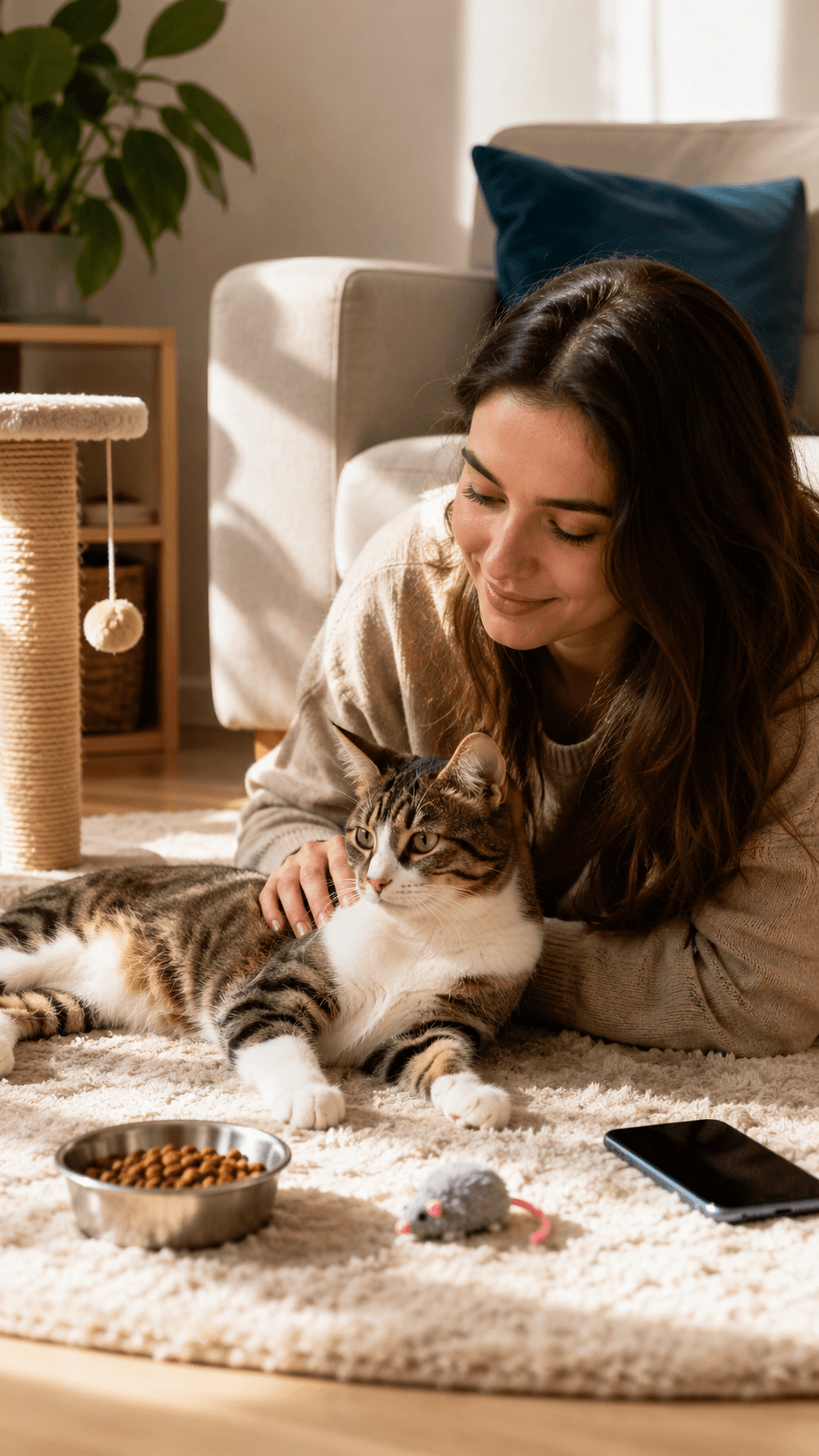
Who this guide is for
This guide is for Domestic Shorthair owners and anyone considering the breed. Whether you have a new kitten or a senior companion, you will find practical, breed-specific care routines you can start using today.
Quick breed snapshot
Size
Small to medium; many adult cats fall around 8-12 lb, but mixed ancestry varies.
Energy level
Moderate; personality ranges from calm lap cat to playful hunter.
Grooming level
Low to moderate; weekly brushing is usually enough.
Best fit
Good fit for apartments, families, first-time cat owners, and adopters.
Main care focus
routine stability, weight tracking, litter-box habits, indoor enrichment, and preventive vet care
Most common owner questions
How do I know what my mixed-background cat's personality will be like?+
My cat's routine changed suddenly — what should I track?+
Can PetMyDear diagnose my cat?+
What should I track regularly for a domestic shorthair?+
What to track in PetMyDear
Explore Domestic Shorthair care topics
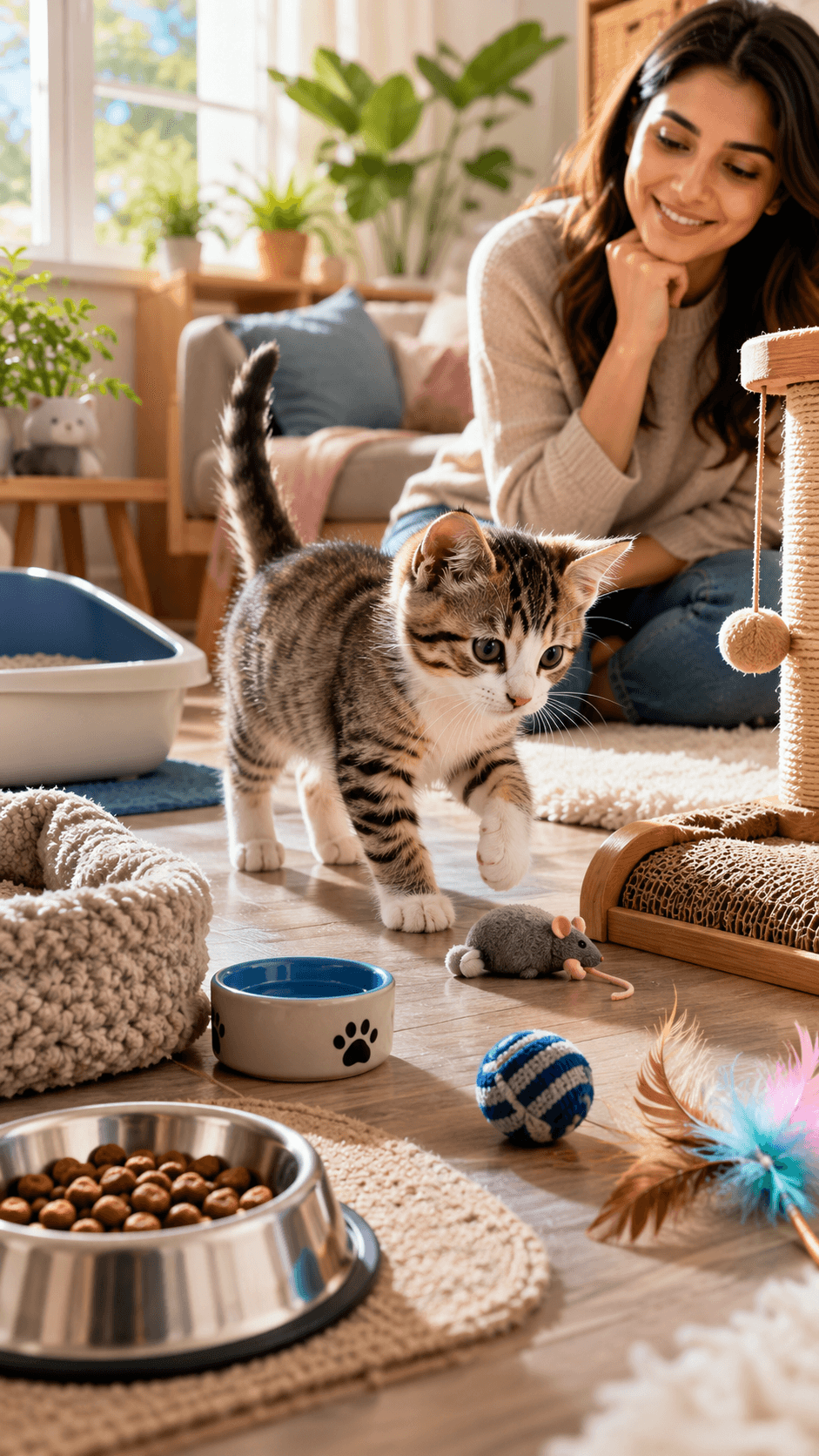
Kitten Care Guide
First weeks essentials — safe home setup, feeding and growth, litter training, socialization, and vet reminders.
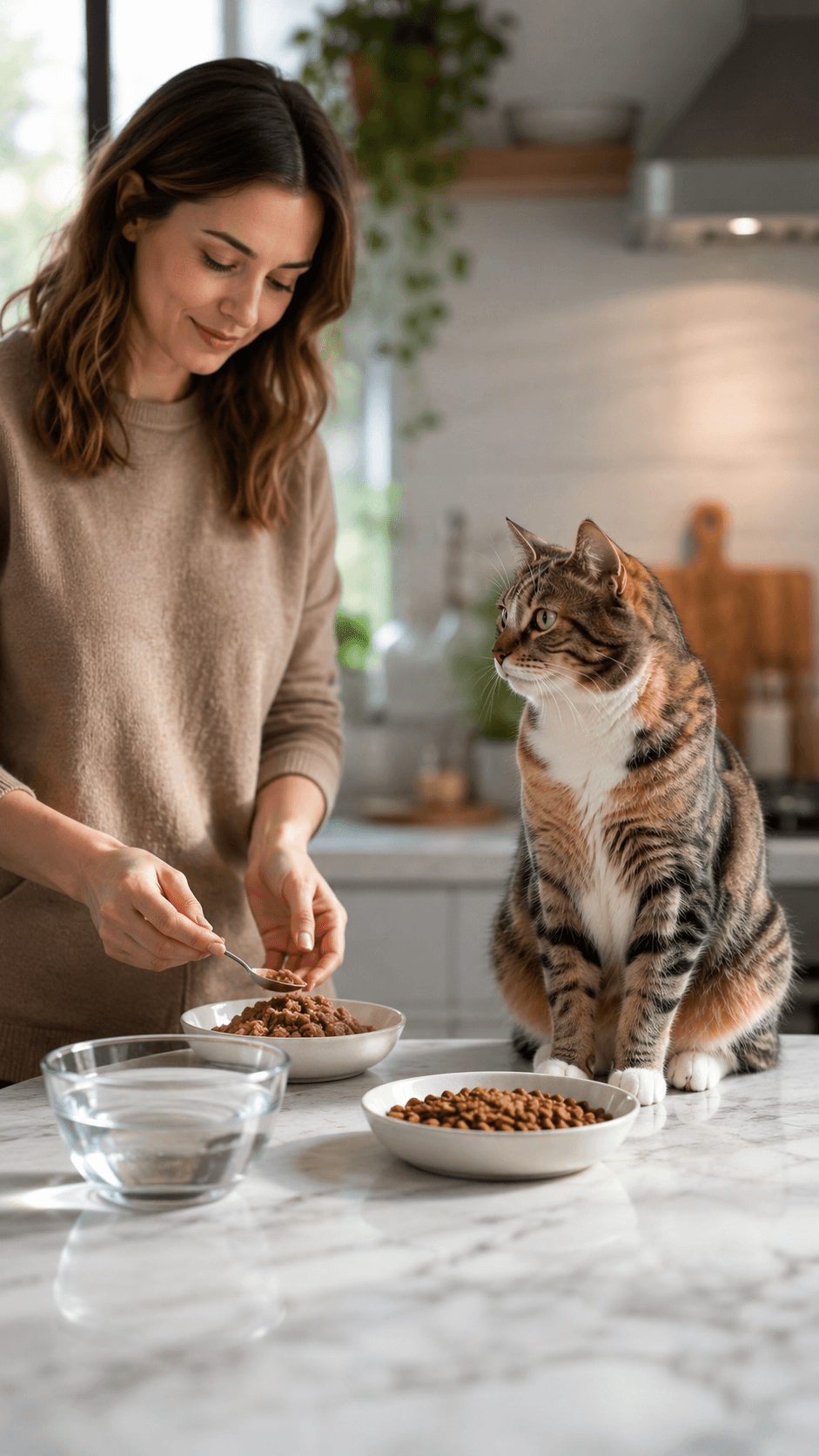
Feeding Guide
Meal routines, portion control, hydration, weight monitoring, and foods to avoid — tracked in PetMyDear.
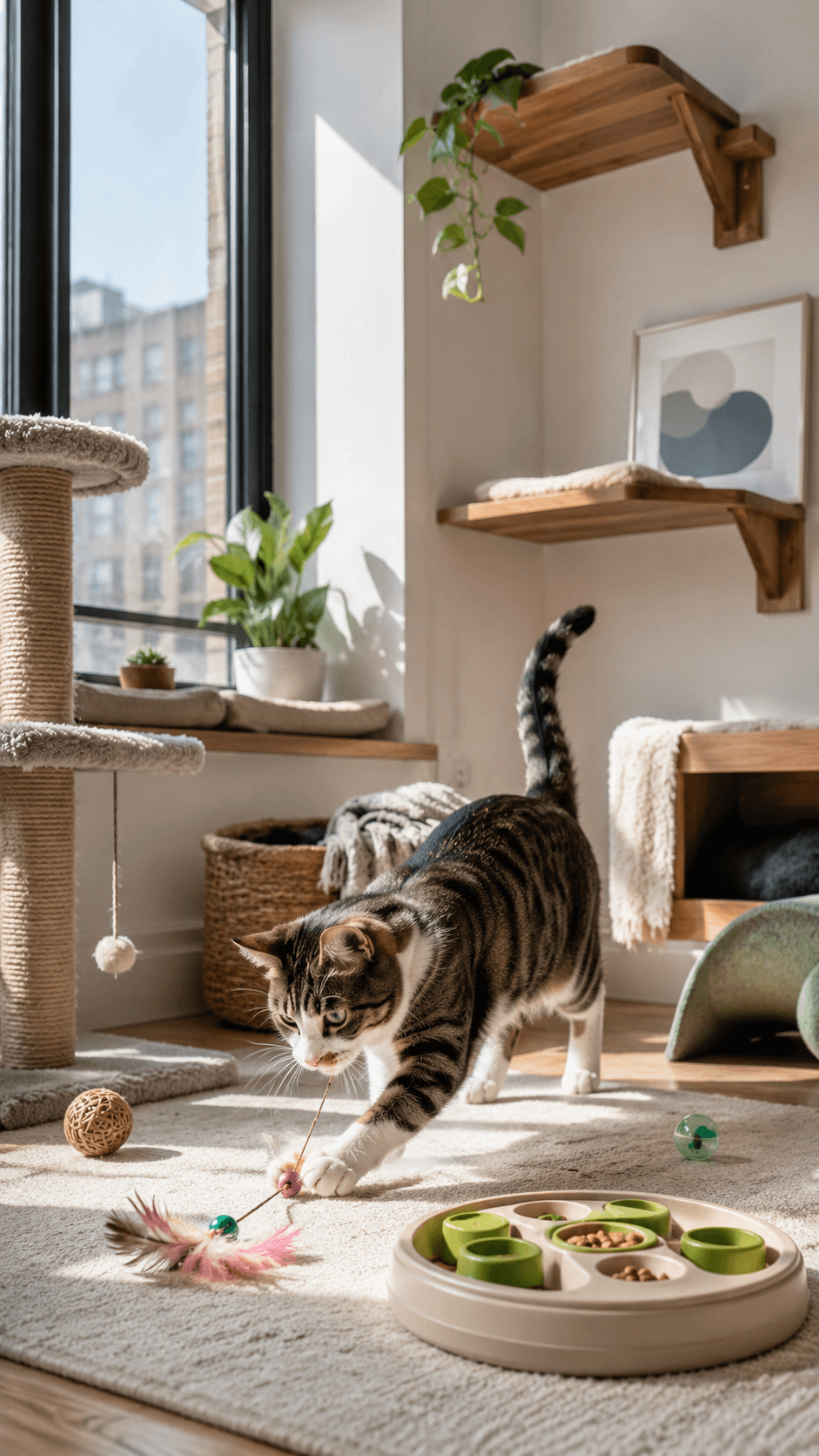
Behavior & Enrichment Guide
Play, scratching, climbing, vocalization, and enrichment routines that keep indoor cats happy and settled.
Health Care Guide
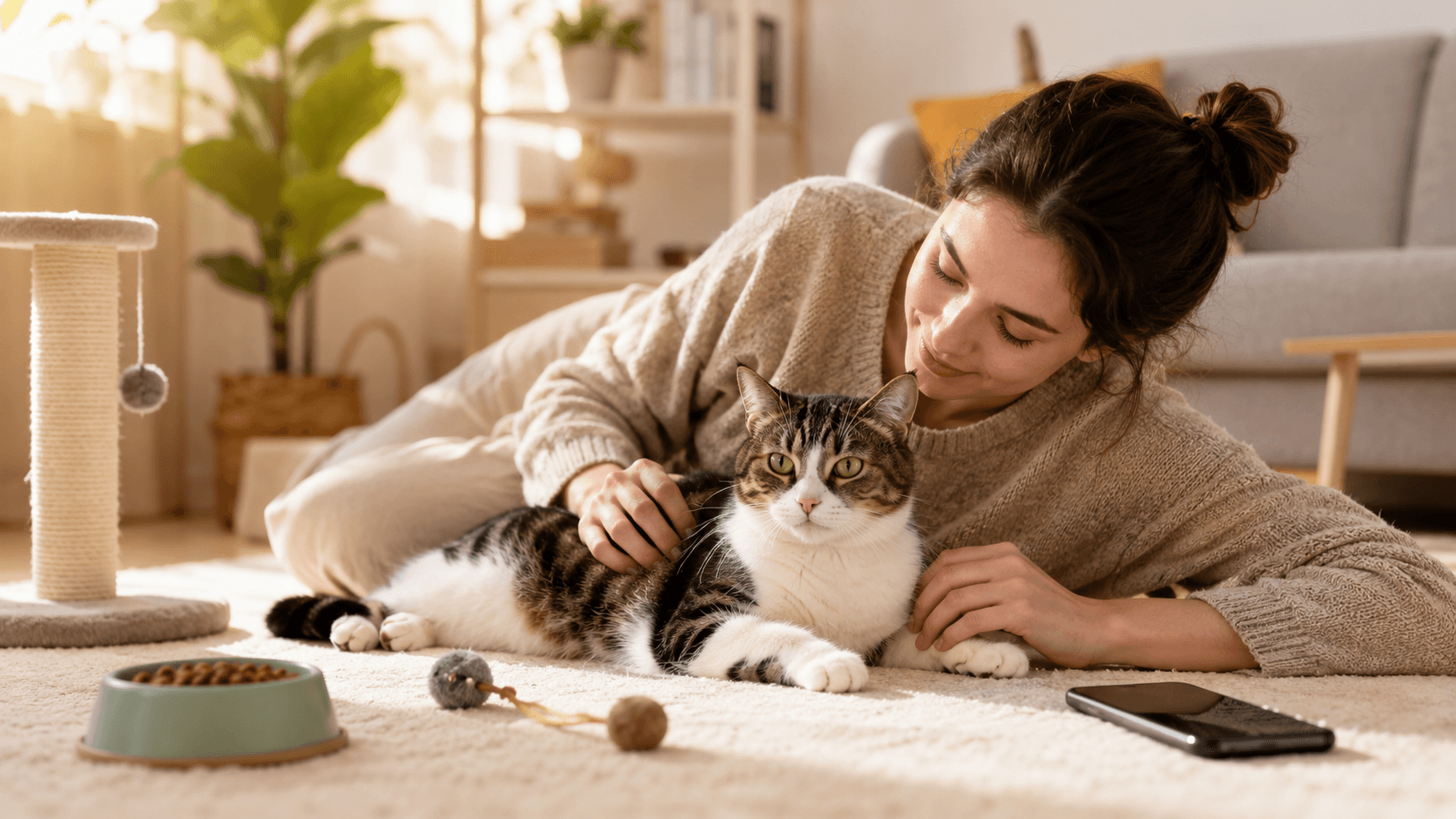
Preventive care, signs worth tracking, vet reminders, and care records — educational, not a diagnosis.
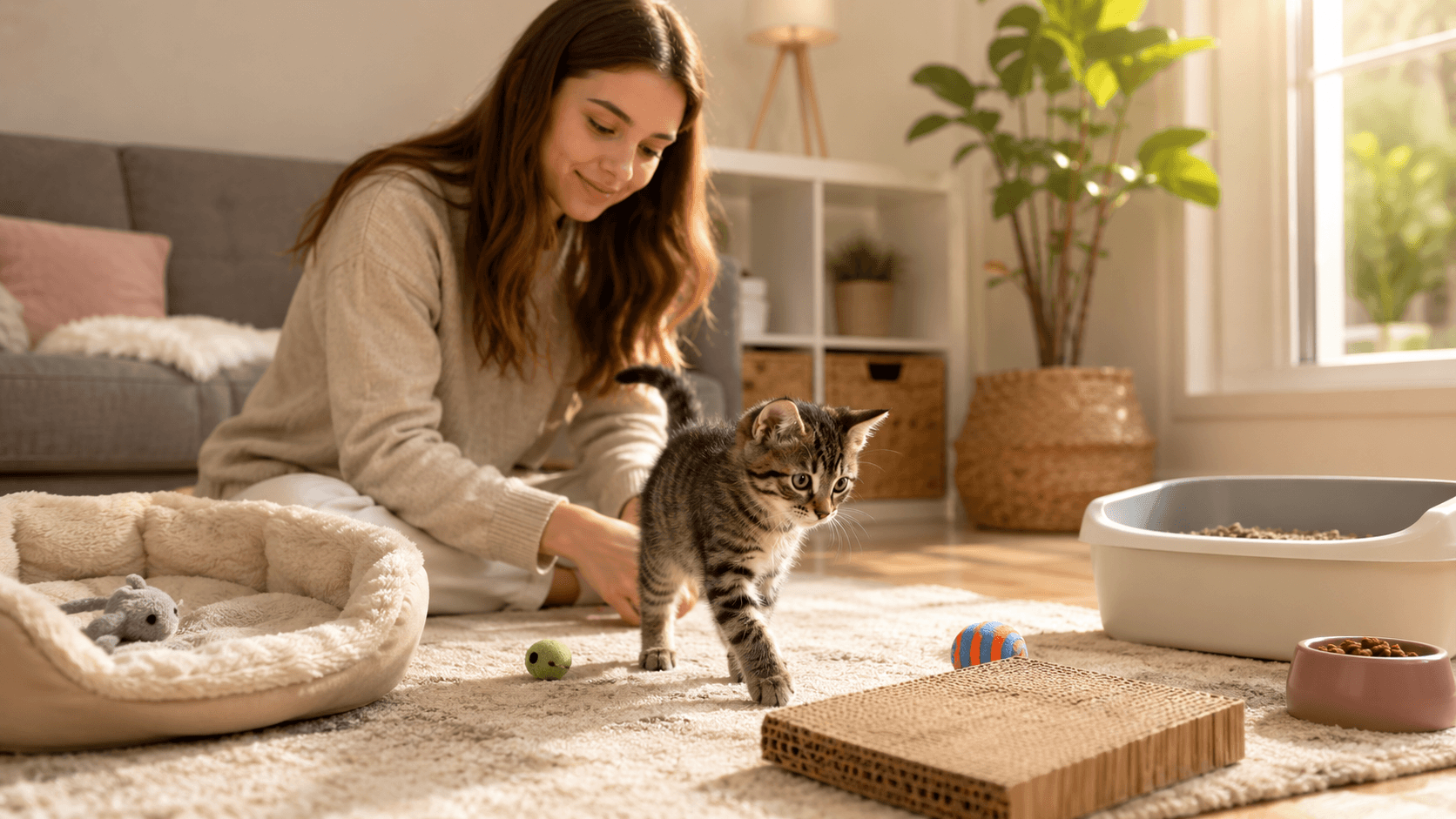
Grooming & Litter Care Guide
Brushing, nail, dental, eye and ear care, plus litter-box setup and hygiene routines.
Download PetMyDear for Android
Track routines, set reminders, and keep your Domestic Shorthair's care history organized in one place.
Turn care routines into lasting habits
Set reminders, build daily checklists, and track feeding, grooming, and exercise in one calm place.