Domestic Shorthair Behavior & Enrichment Guide
Because domestic shorthairs vary so much individually, the enrichment that works for one cat may not interest another at all. Some cats want height — a tall cat tree or window perch where they can watch the room. Others prefer ground-level hiding spots or covered beds. Some engage eagerly with wand toys; others will walk away from everything except a crinkle ball. The practical approach is to try different options and pay attention to what your individual cat actually uses. Scratching is non-negotiable — every cat needs appropriate outlets — but the surface, angle, and placement all vary by cat. Building a daily routine around short, consistent interaction periods tends to work better than occasional long play sessions.
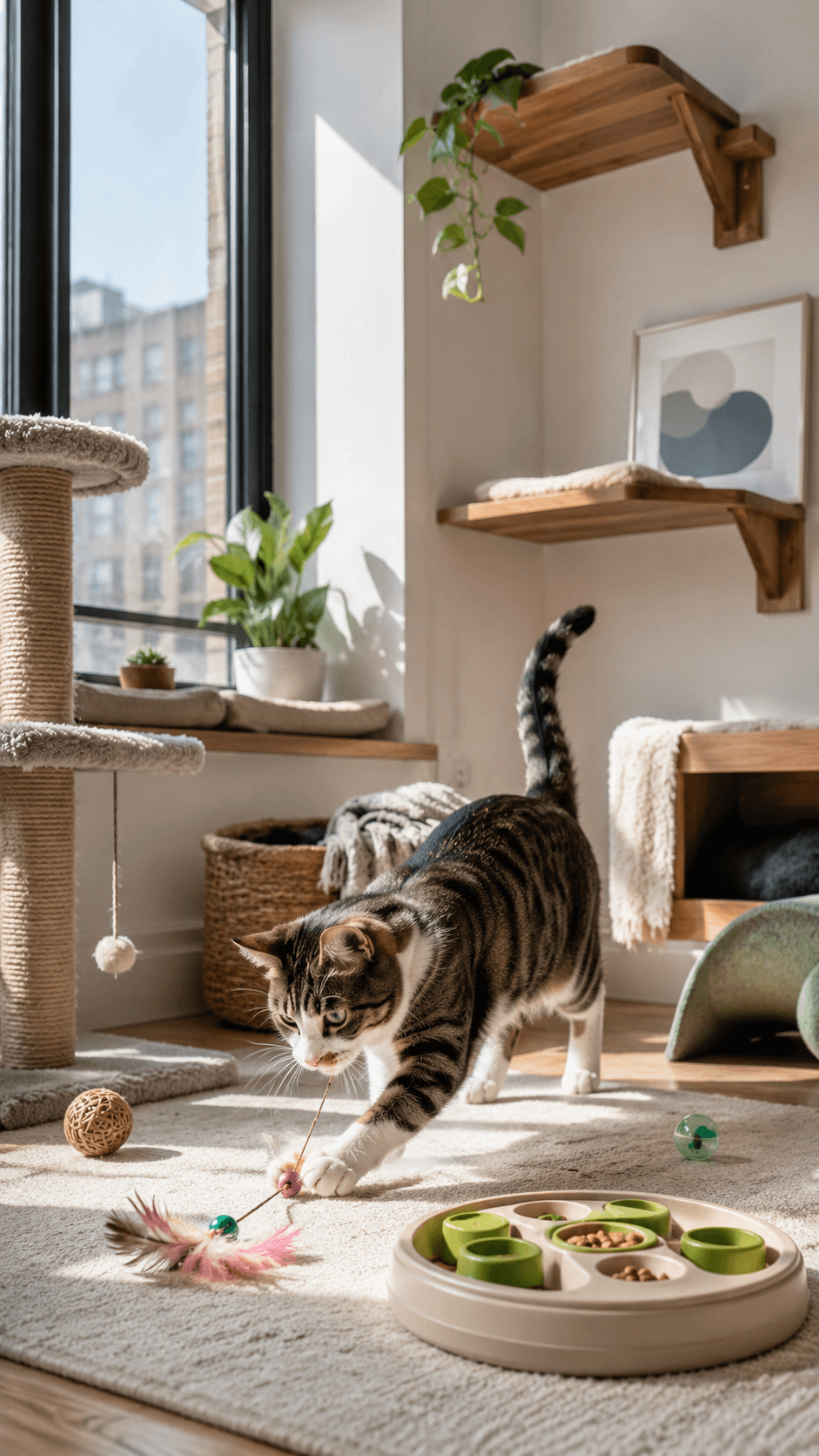
Domestic Shorthair at a glance
Personality
adaptable, easygoing, playful, variable in personality
Size
Small to medium; many adult cats fall around 8-12 lb, but mixed ancestry varies.
Energy
Moderate; personality ranges from calm lap cat to playful hunter.
Grooming
Low to moderate; weekly brushing is usually enough.
Best fit: Good fit for apartments, families, first-time cat owners, and adopters.
Behavior profile for Domestic Shorthair
For the Domestic Shorthair, the behavior focus is scratching outlets, window watching, hunting games, and slow introductions to people or pets. Many of these behaviors are normal, but sudden changes can signal stress, pain, or illness and should be discussed with a vet. Log play, scratching, hiding, appetite, and litter-box patterns in PetMyDear so you can notice changes earlier.
Daily enrichment routine
Morning
Short play or food puzzle to start the day
Midday
Window perch, climbing, or independent toy rotation
Evening
Interactive wand play before dinner or bedtime
Weekly
Rotate toys, refresh scratchers, add new activities
Scratching, climbing & territory
Scratching is communication, exercise, and nail maintenance — not bad behavior. Provide vertical and horizontal scratchers, stable cat trees, window perches, and safe hiding spots. In multi-cat homes, duplicate resources like food areas, water stations, resting places, scratchers, and litter boxes. A good enrichment day for a Domestic Shorthair includes a short morning play or food puzzle, midday window perching or climbing, interactive wand play in the evening, and weekly toy rotation.
Track it in PetMyDear
The everyday care focus for a Domestic Shorthair is routine stability, weight tracking, litter-box habits, indoor enrichment, and preventive vet care. Set reminders, log routines, and build a care history you can share with your vet — all in one calm place.
Get the appFrequently asked questions
My cat ignores every toy I buy — what should I try instead?+
My cat is suddenly hiding more than usual — what does that mean?+
How do I stop my cat from scratching the furniture?+
How much play does an indoor domestic cat actually need?+
More Domestic Shorthair guides
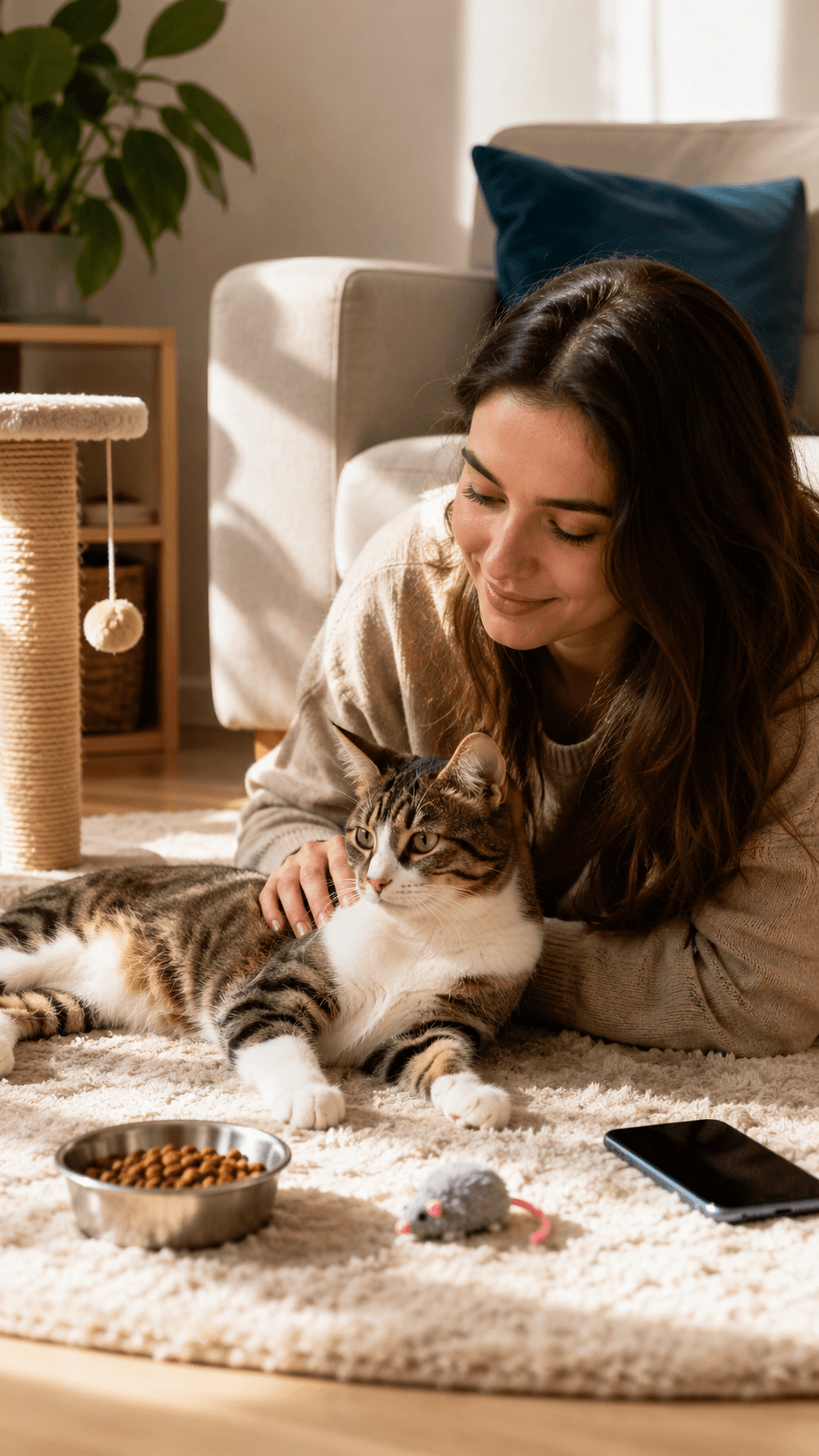
Domestic Shorthair Overview
Complete breed guide with quick snapshot, care priorities, and everything you need to get started.
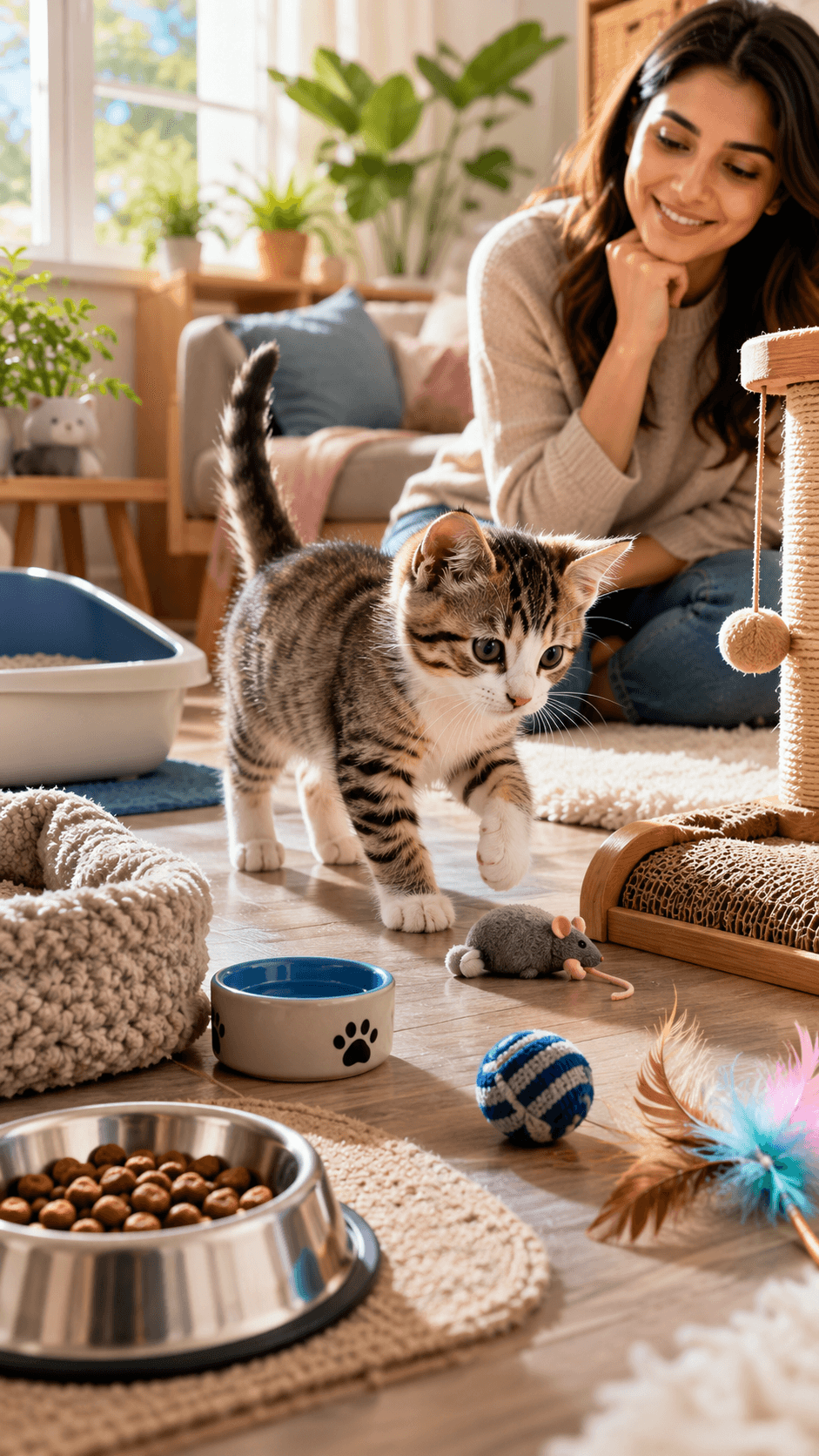
Kitten Care Guide
First weeks essentials — safe home setup, feeding and growth, litter training, socialization, and vet reminders.
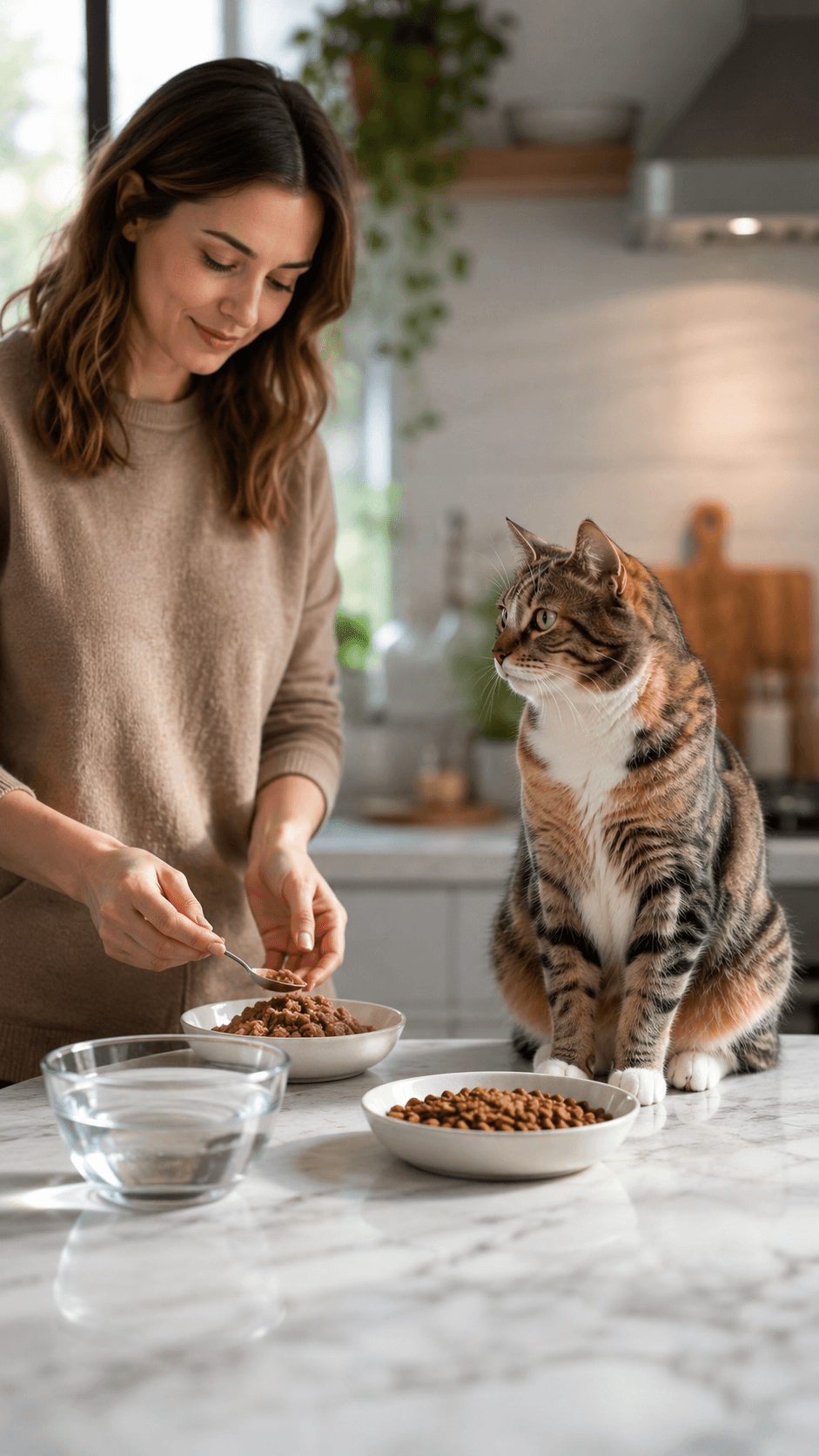
Feeding Guide
Meal routines, portion control, hydration, weight monitoring, and foods to avoid — tracked in PetMyDear.
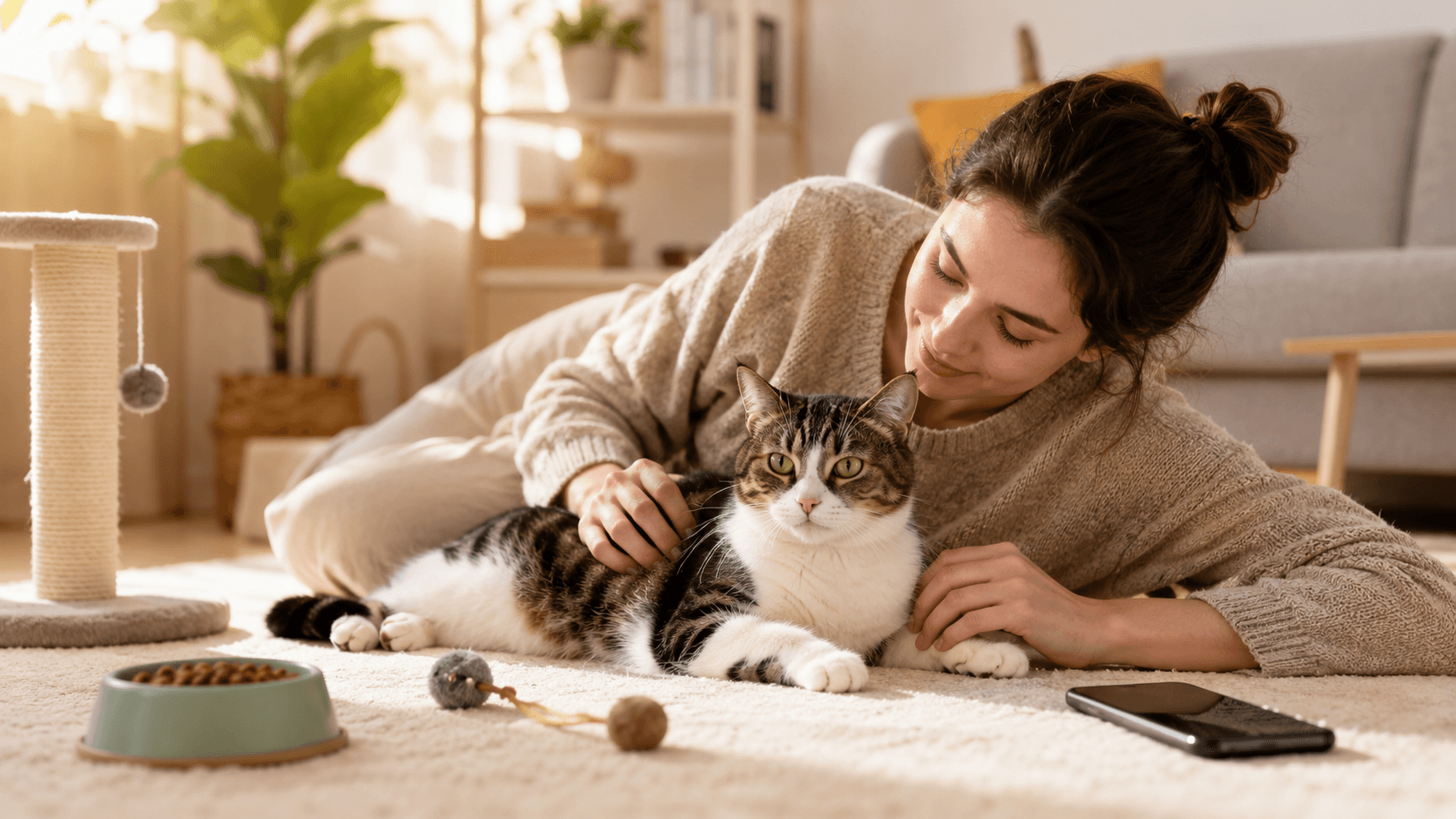
Health Care Guide
Preventive care, signs worth tracking, vet reminders, and care records — educational, not a diagnosis.
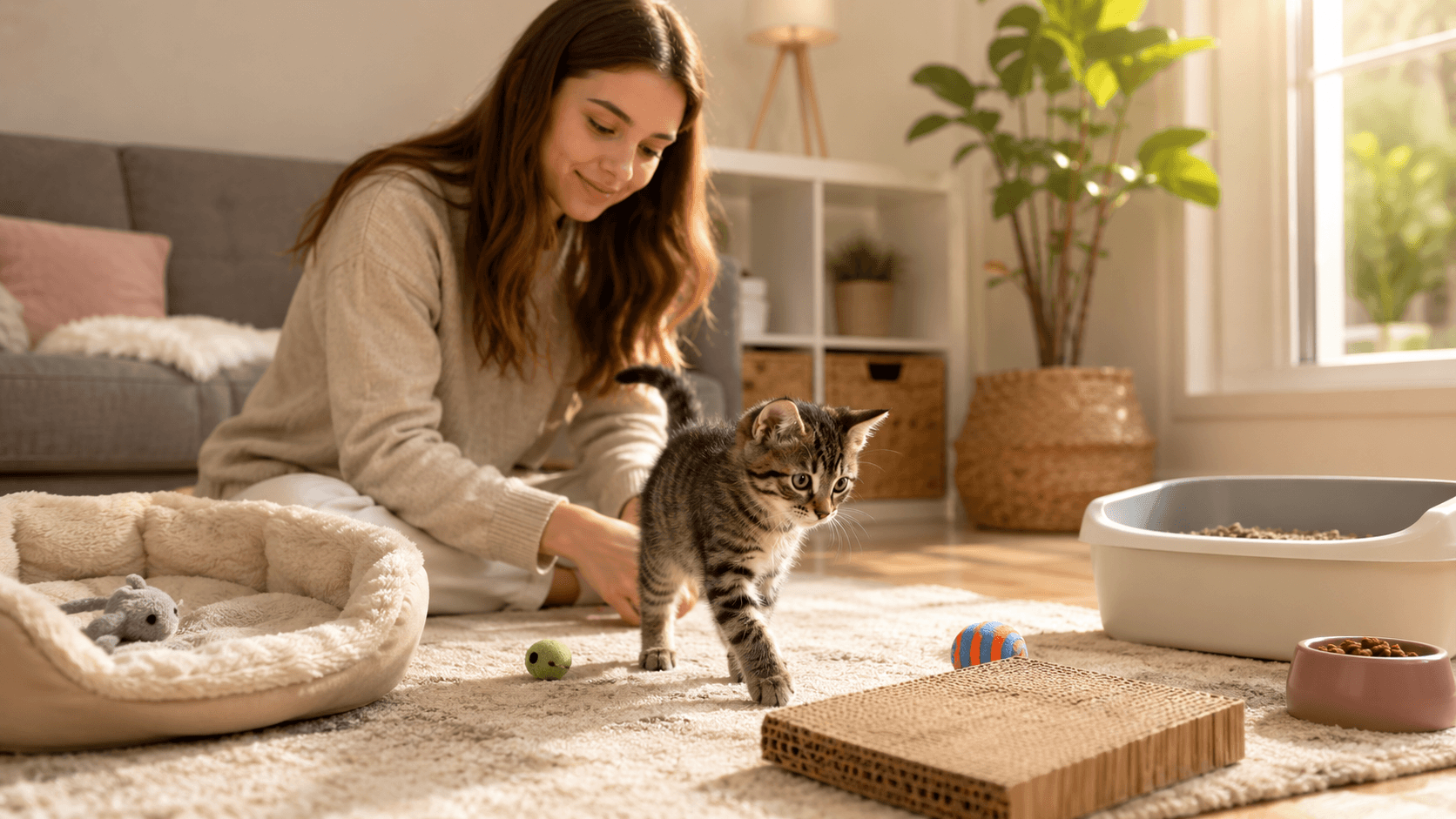
Grooming & Litter Care Guide
Brushing, nail, dental, eye and ear care, plus litter-box setup and hygiene routines.
Download PetMyDear for Android
Track routines, set reminders, and keep your Domestic Shorthair's care history organized in one place.
Keep notes on what changes
Log behavior observations and symptoms, set care reminders, and share notes with your vet when something is worth tracking.