Ragdoll Behavior & Enrichment Guide
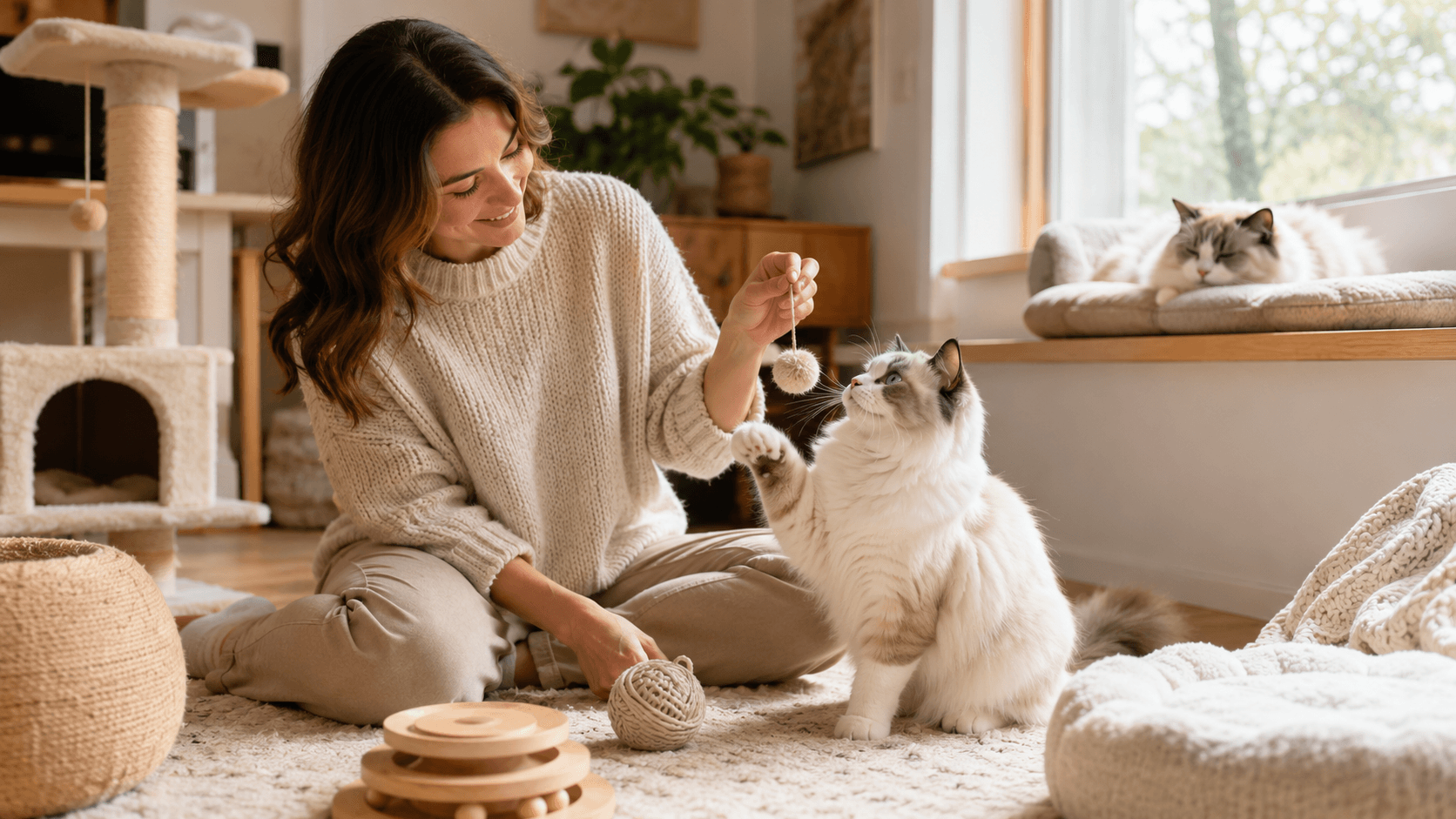
Because Ragdolls are calm and often content to be near people, it is easy to assume they do not need much enrichment. In practice, a Ragdoll that never plays, never climbs, and lives in an unchanging environment is more likely to gain weight and less likely to stay mentally engaged over the years. Play does not need to be high-energy — a feather wand moved slowly and deliberately often engages a Ragdoll more effectively than fast, unpredictable movements. Climbing does not need to be at ceiling height — mid-height perches near windows and comfortable resting spots at different levels give the cat territorial variety without requiring the cat to leap to the top of a tall tower. Companionship matters, too: Ragdolls often settle better in homes where people are regularly present.
Ragdoll at a glance
Personality
calm, affectionate, people-oriented, gentle
Size
Medium to large; broad body and semi-long coat.
Energy
Moderate; enjoys play but often prefers calm social time with people.
Grooming
Moderate; silky coat needs routine brushing, especially around seasonal shedding.
Best fit: Excellent for calm households, families, and owners who want a social indoor companion.
Behavior profile for Ragdoll
For the Ragdoll, the behavior focus is bonding routines, calm enrichment, separation comfort, and interactive wand play. Many of these behaviors are normal, but sudden changes can signal stress, pain, or illness and should be discussed with a vet. Log play, scratching, hiding, appetite, and litter-box patterns in PetMyDear so you can notice changes earlier.
Daily enrichment routine
Morning
Short play or food puzzle to start the day
Midday
Window perch, climbing, or independent toy rotation
Evening
Interactive wand play before dinner or bedtime
Weekly
Rotate toys, refresh scratchers, add new activities
Scratching, climbing & territory
Scratching is communication, exercise, and nail maintenance — not bad behavior. Provide vertical and horizontal scratchers, stable cat trees, window perches, and safe hiding spots. In multi-cat homes, duplicate resources like food areas, water stations, resting places, scratchers, and litter boxes. A good enrichment day for a Ragdoll includes gentle morning play, calm midday companionship, an interactive wand session in the evening, and weekly enrichment changes.
Track it in PetMyDear
The everyday care focus for a Ragdoll is indoor safety, weight control, gentle play routines, brushing, and heart/urinary awareness. Set reminders, log routines, and build a care history you can share with your vet — all in one calm place.
Get the appFrequently asked questions
My Ragdoll doesn't seem interested in playing — should I be concerned?+
Do Ragdolls do better with another cat?+
What kind of climbing space is appropriate for a Ragdoll?+
Can PetMyDear help me track my Ragdoll's behavior?+
More Ragdoll guides
Ragdoll Overview
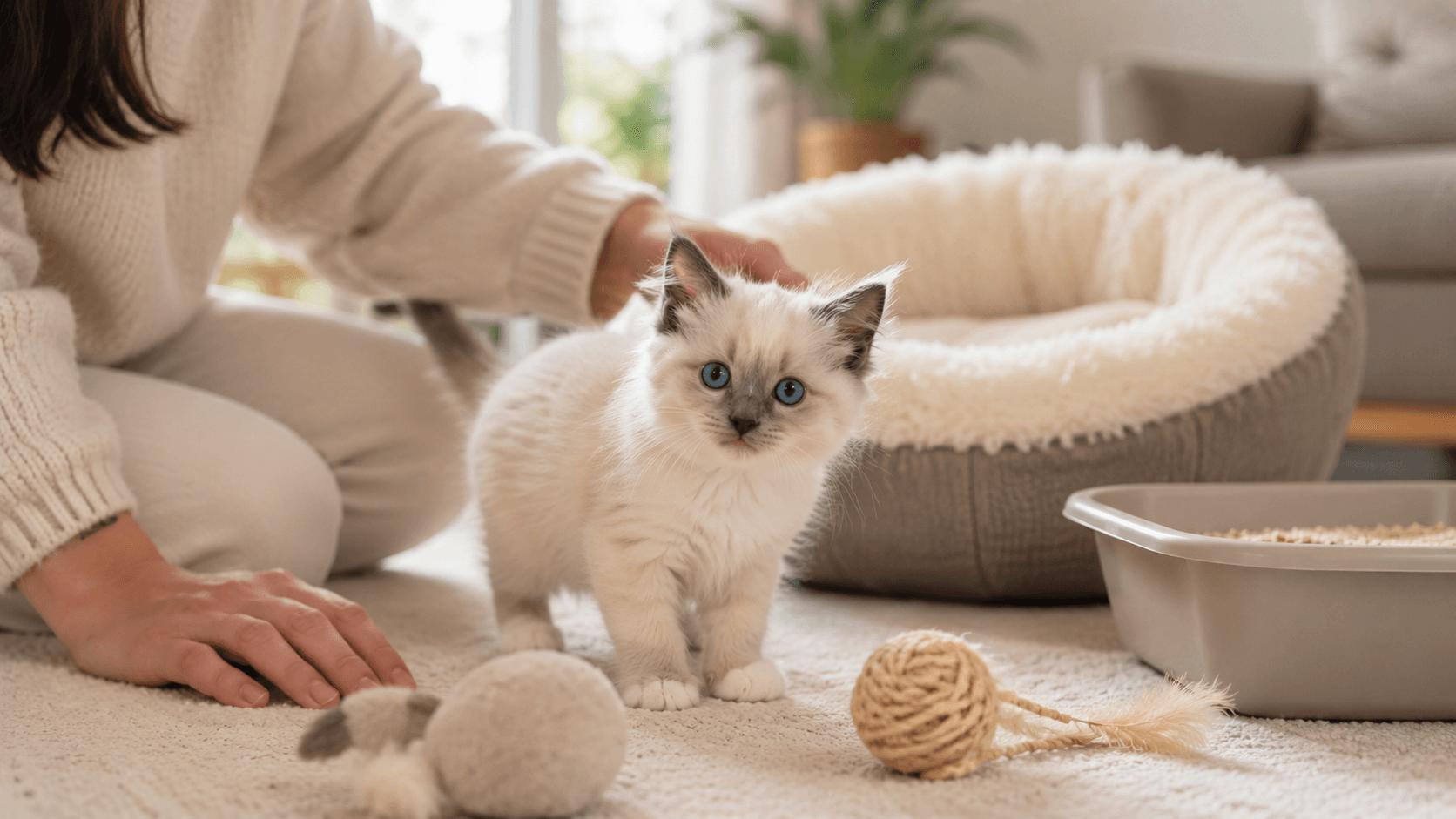
Complete breed guide with quick snapshot, care priorities, and everything you need to get started.

Kitten Care Guide
First weeks essentials — safe home setup, feeding and growth, litter training, socialization, and vet reminders.
Feeding Guide
Meal routines, portion control, hydration, weight monitoring, and foods to avoid — tracked in PetMyDear.
Health Care Guide
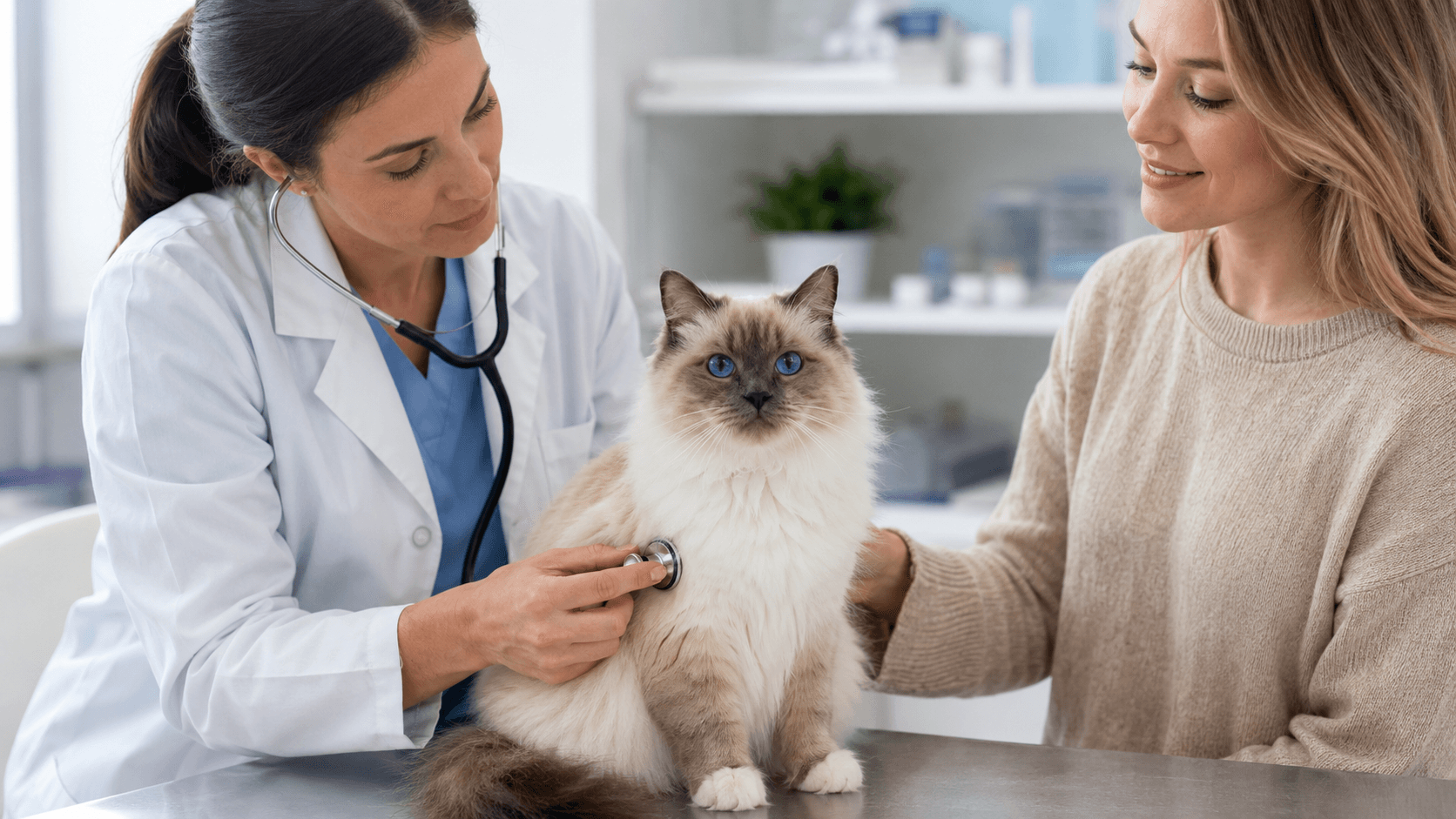
Preventive care, signs worth tracking, vet reminders, and care records — educational, not a diagnosis.
Grooming & Litter Care Guide
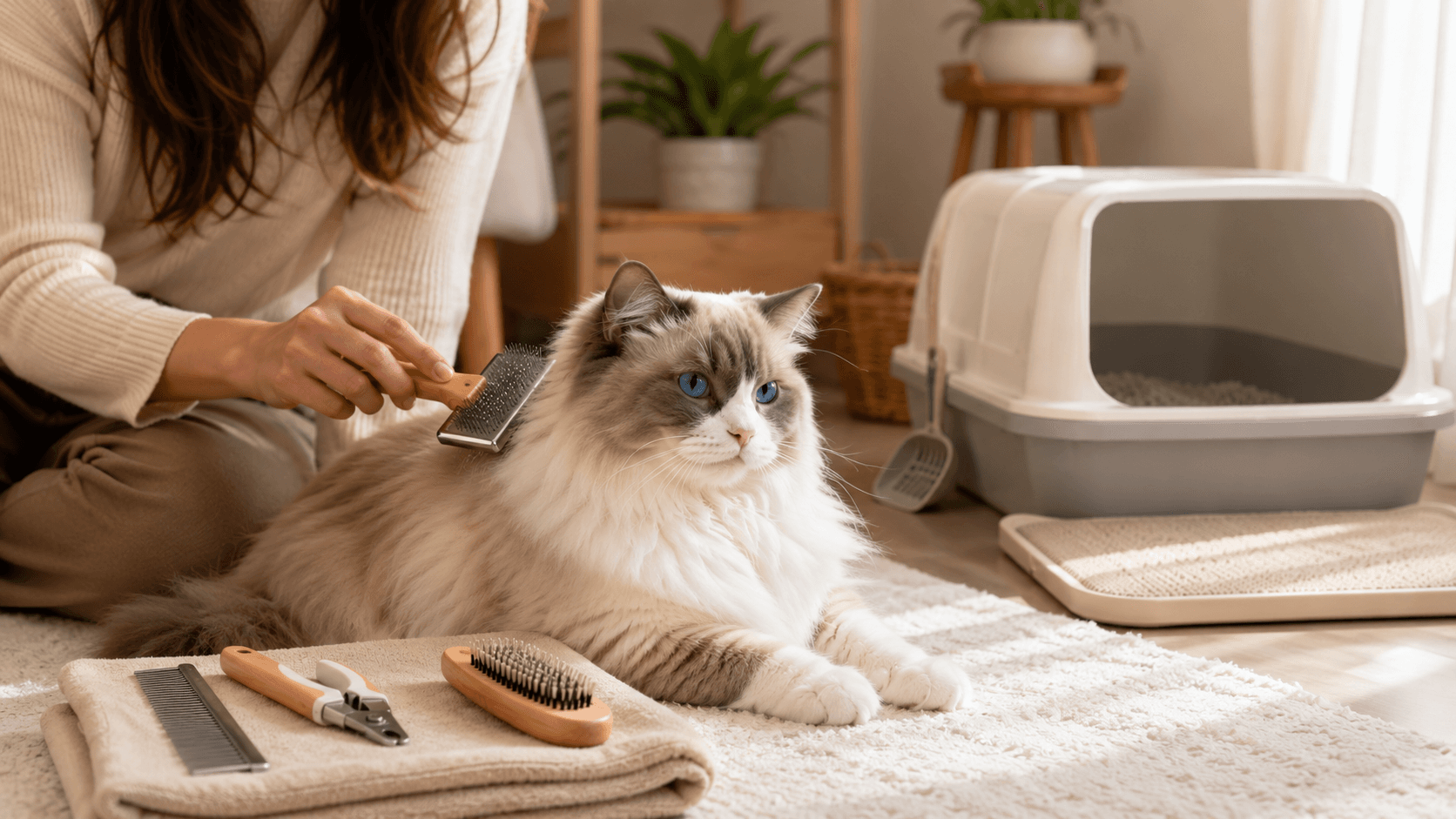
Brushing, nail, dental, eye and ear care, plus litter-box setup and hygiene routines.
Download PetMyDear for Android
Track routines, set reminders, and keep your Ragdoll's care history organized in one place.
Keep notes on what changes
Log behavior observations and symptoms, set care reminders, and share notes with your vet when something is worth tracking.