Ragdoll Health Care Guide
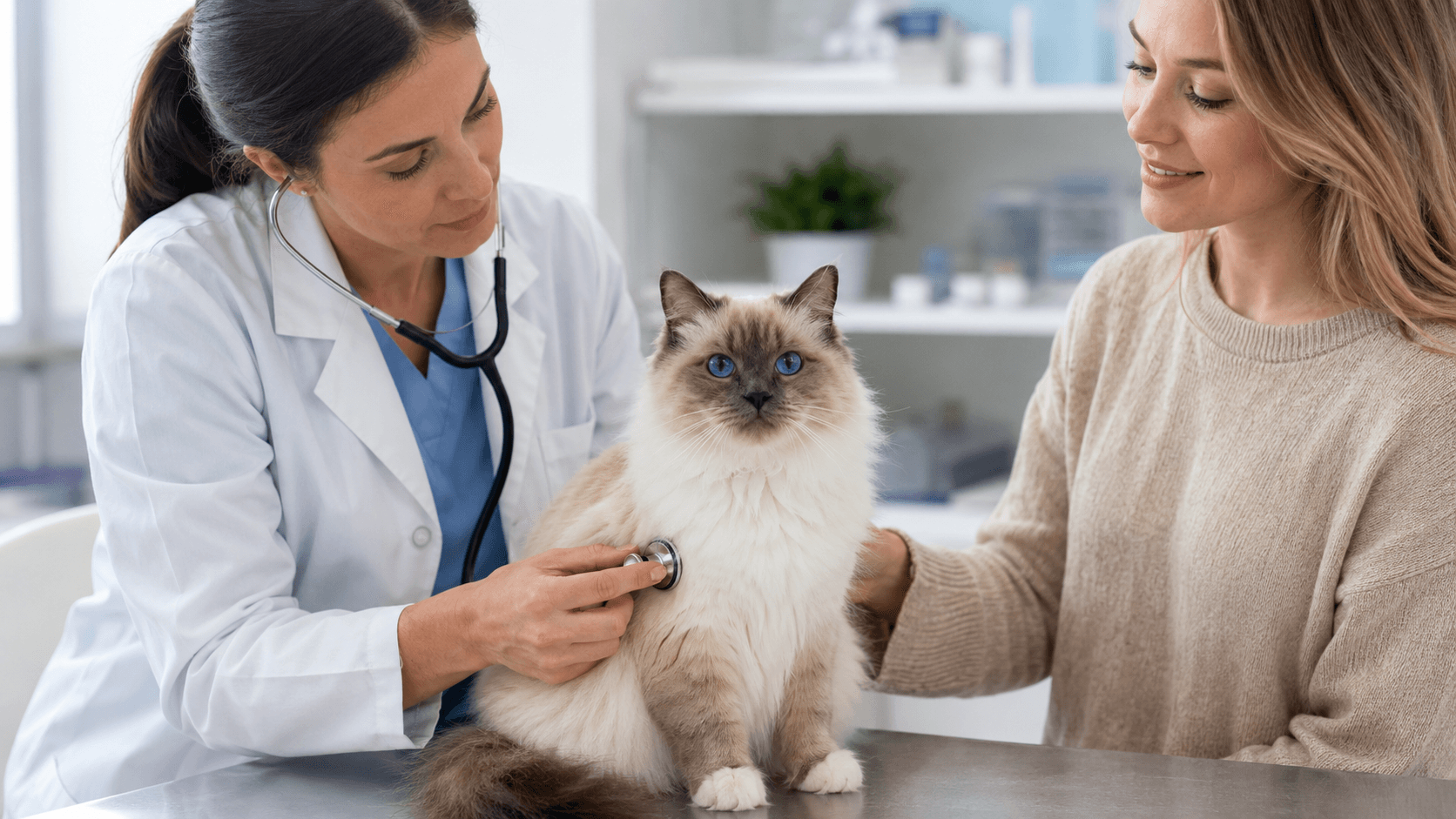
Ragdoll health care is built on consistent observation of the individual cat's normal patterns — what the cat weighs, how much it eats and drinks, how it uses the litter box, and how active it is day to day. Weight and activity are practical starting points because Ragdolls are indoor cats that can gain weight and become less active gradually without any single obvious sign. Dental health is worth monitoring because dental disease is common in cats and often goes unnoticed until it is significant. Regular preventive vet visits give you a professional baseline to work from. Cardiac health is something worth discussing with your veterinarian — they can advise on whether any form of monitoring is appropriate for your individual cat.
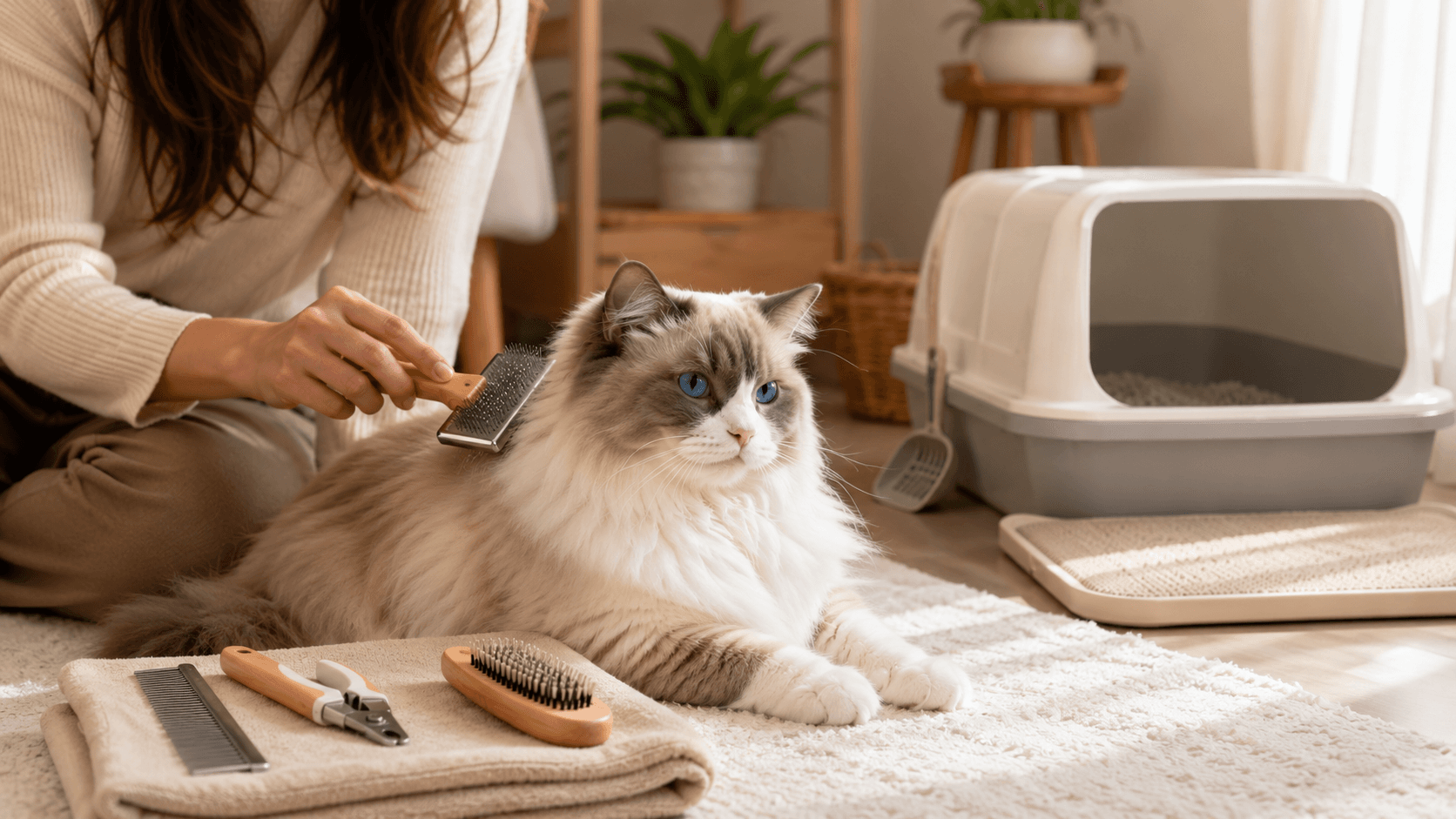
Ragdoll at a glance
Personality
calm, affectionate, people-oriented, gentle
Size
Medium to large; broad body and semi-long coat.
Energy
Moderate; enjoys play but often prefers calm social time with people.
Grooming
Moderate; silky coat needs routine brushing, especially around seasonal shedding.
Best fit: Excellent for calm households, families, and owners who want a social indoor companion.
Health watch-list for Ragdoll
For a Ragdoll, signs to discuss with a veterinarian include weight gain, dental disease, heart disease awareness, urinary signs, and coat tangles. This is a watch-list, not a diagnosis list. This content is educational only and does not replace professional veterinary care — for guidance specific to your cat, always consult your veterinarian.
Routine care records to keep
When to call the vet
Contact a veterinarian if your cat is not eating, is straining in the litter box, crying while urinating, or producing no urine, or if you notice a sudden behavior change, hiding, pain, injury, or suspected poisoning. Logging symptom start date, frequency, appetite, water intake, and litter changes in PetMyDear makes vet visits more productive.
Track it in PetMyDear
The everyday care focus for a Ragdoll is indoor safety, weight control, gentle play routines, brushing, and heart/urinary awareness. Set reminders, log routines, and build a care history you can share with your vet — all in one calm place.
Get the appFrequently asked questions
Should I be concerned about heart problems in my Ragdoll?+
How often does a Ragdoll need to see a vet?+
What litter-box changes are worth reporting to a vet?+
How does PetMyDear help with Ragdoll health monitoring?+
More Ragdoll guides
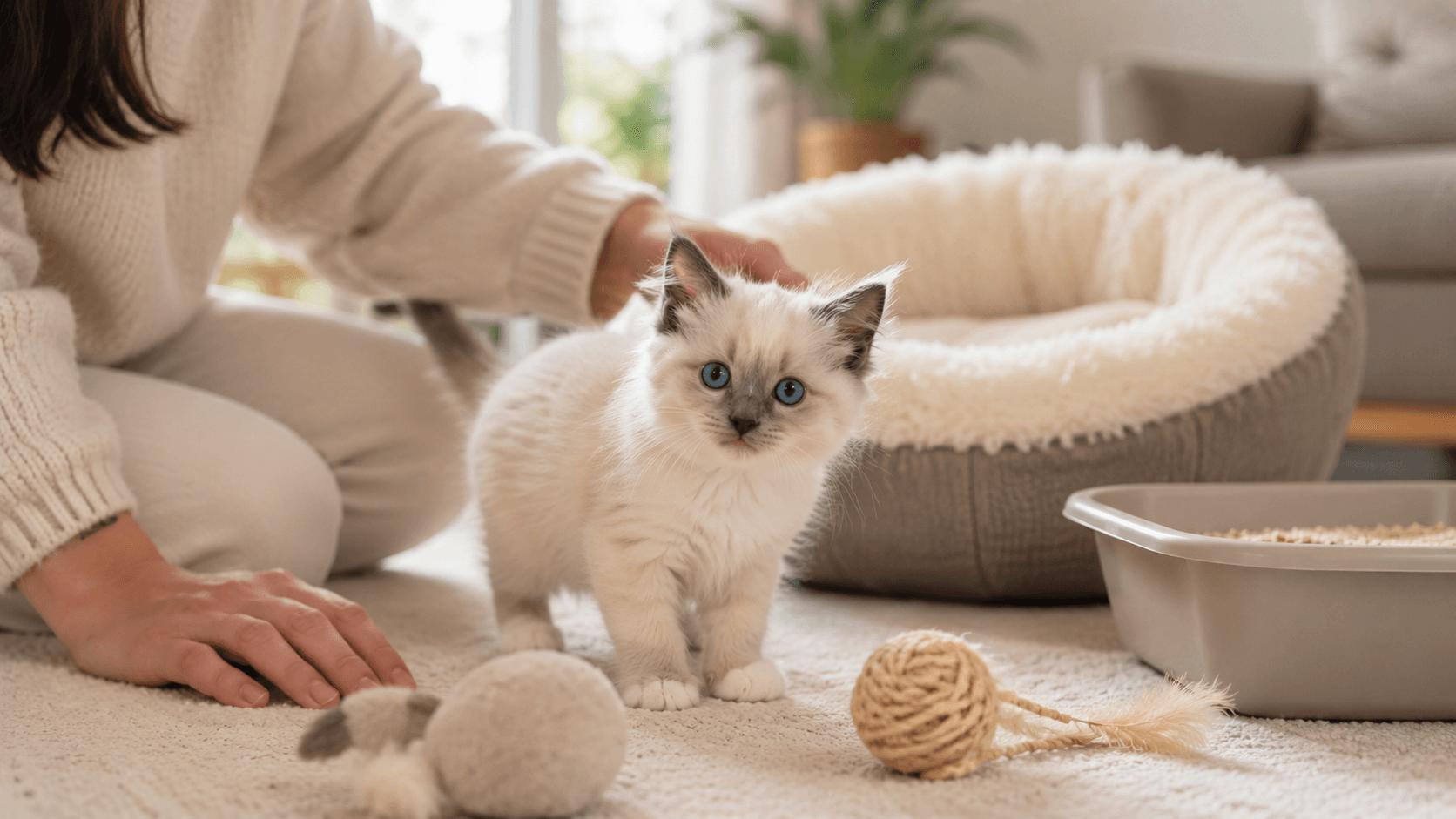
Ragdoll Overview
Complete breed guide with quick snapshot, care priorities, and everything you need to get started.
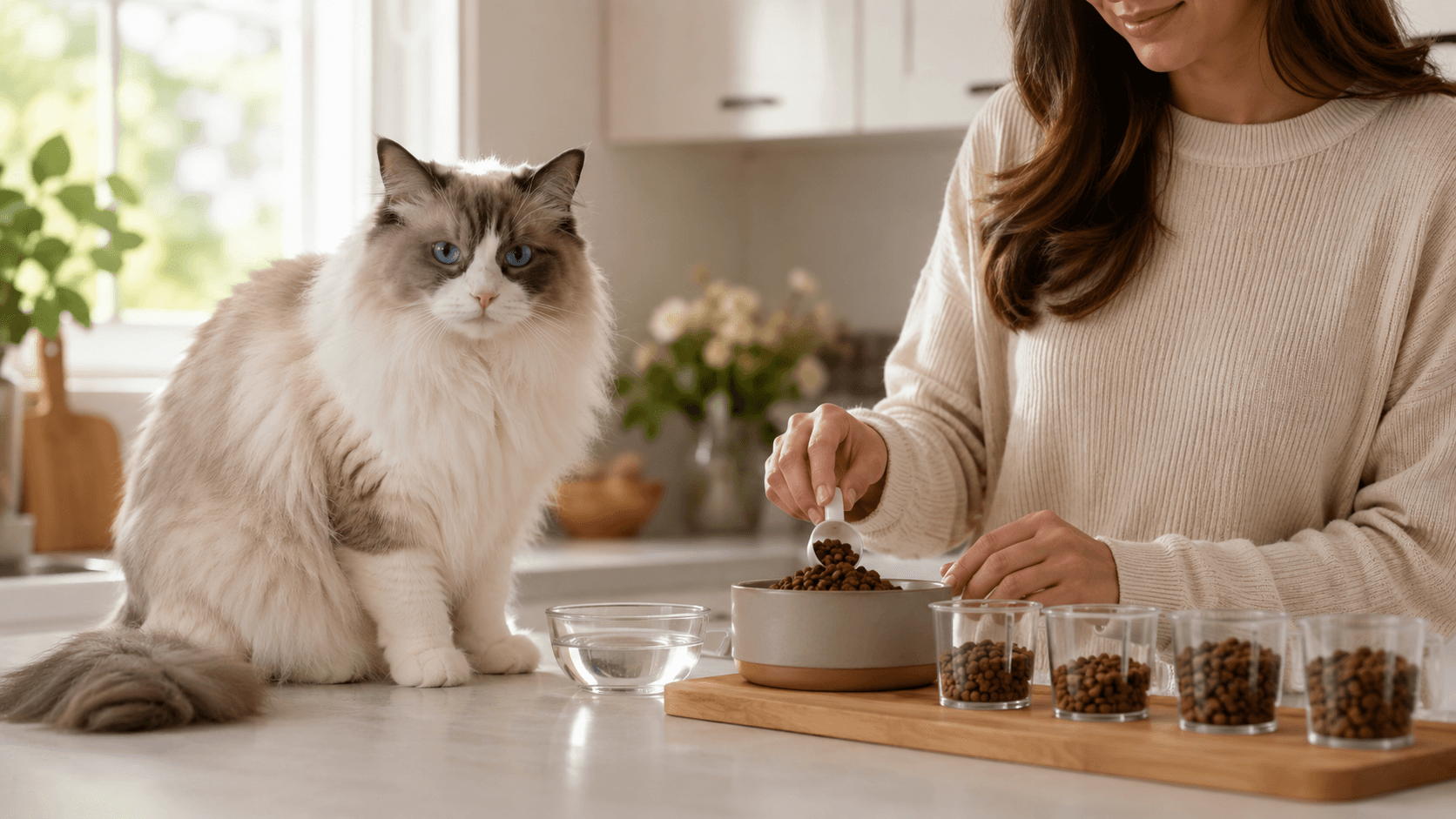
Kitten Care Guide
First weeks essentials — safe home setup, feeding and growth, litter training, socialization, and vet reminders.
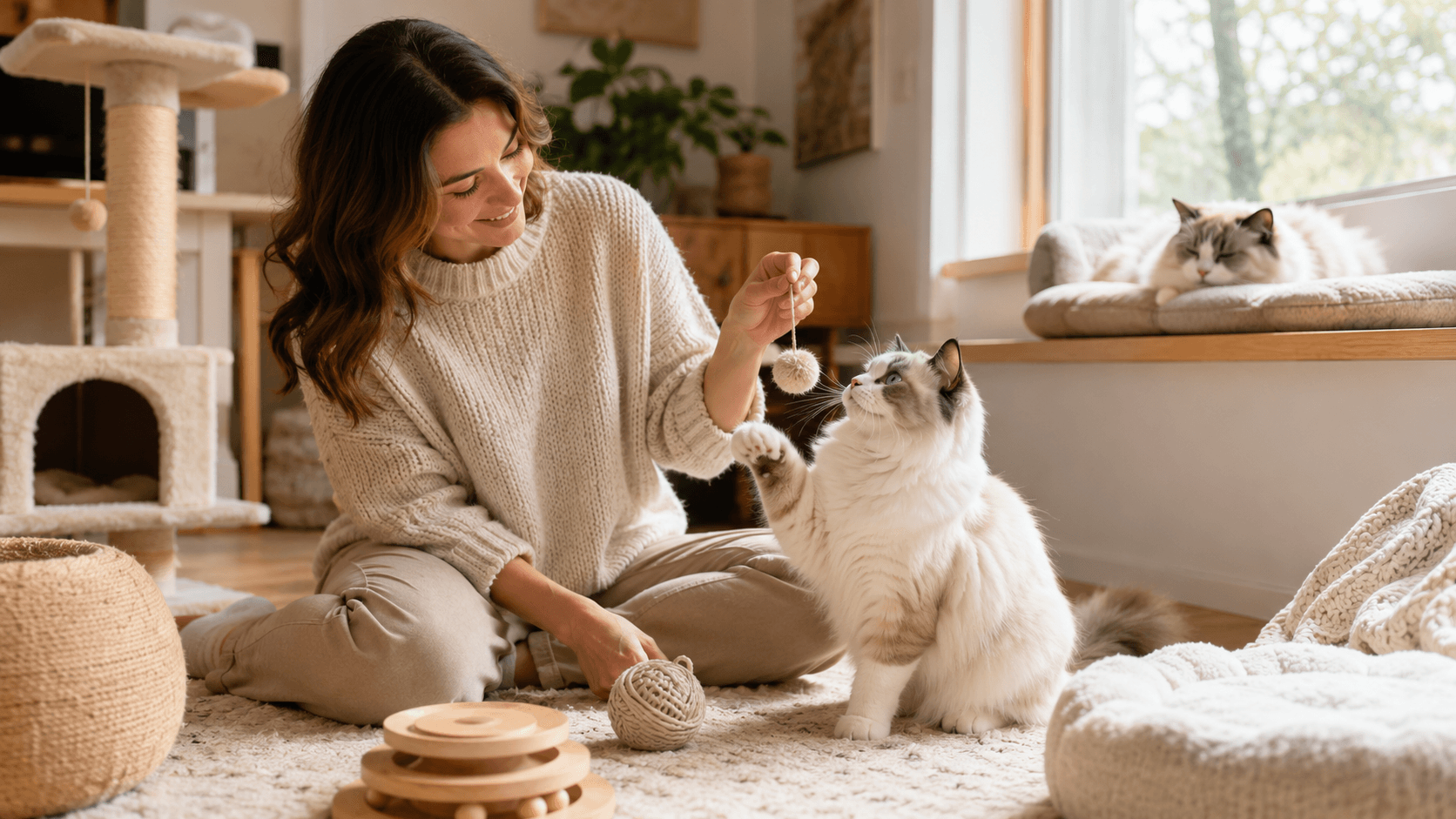
Feeding Guide
Meal routines, portion control, hydration, weight monitoring, and foods to avoid — tracked in PetMyDear.
Behavior & Enrichment Guide
Play, scratching, climbing, vocalization, and enrichment routines that keep indoor cats happy and settled.
Grooming & Litter Care Guide
Brushing, nail, dental, eye and ear care, plus litter-box setup and hygiene routines.
Download PetMyDear for Android
Track routines, set reminders, and keep your Ragdoll's care history organized in one place.
Keep your pet's health in one place
Log symptoms, track medications, and store vet visit notes so nothing important gets forgotten.