A puppy's first year lays the foundation — build it with patience and a plan
The decisions made in the first twelve months — about socialization, feeding schedules, house training, and vet visits — shape behavior for years. This guide covers the practical priorities, in the order they tend to matter.
Setting up a safe first home
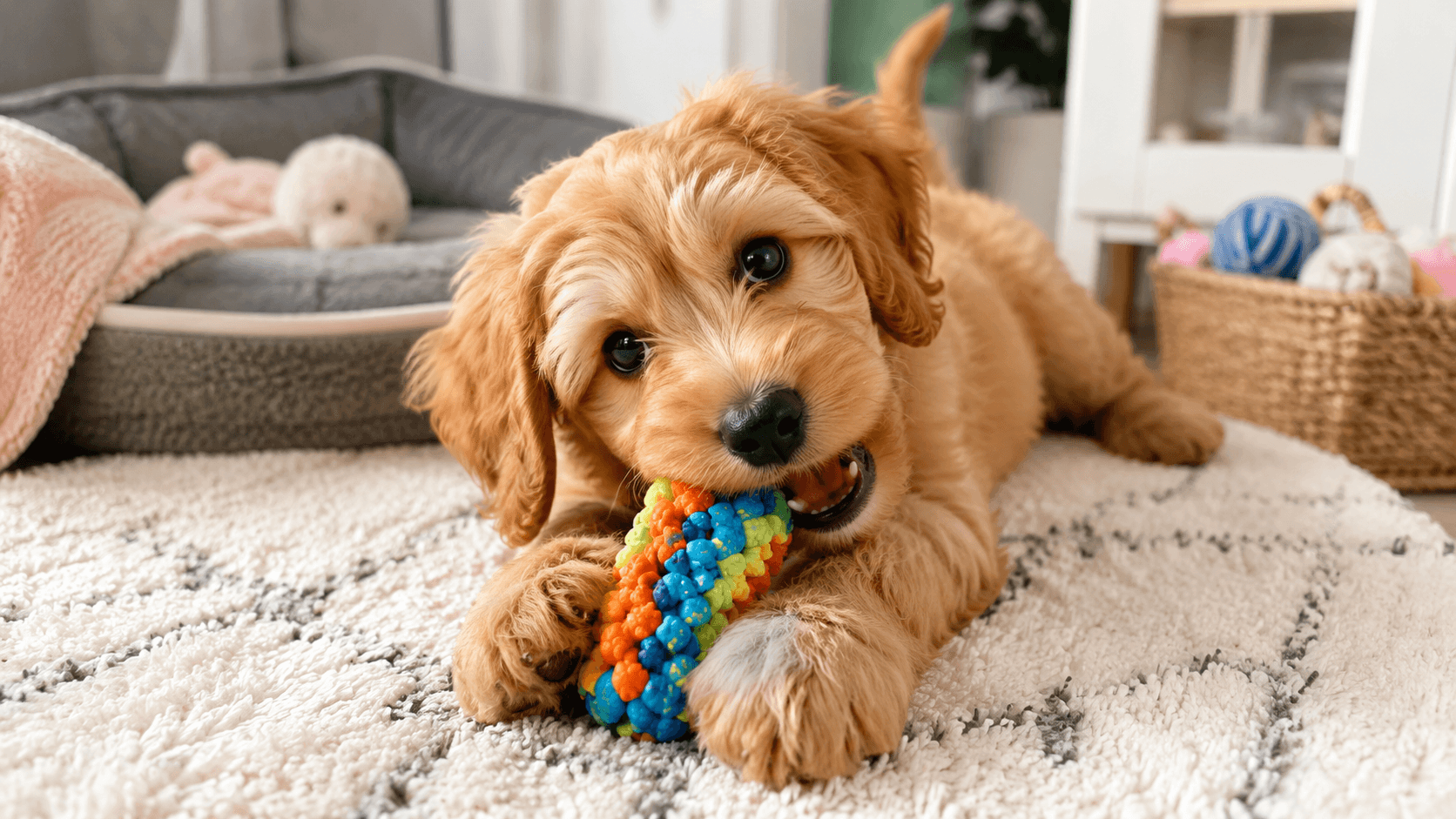
Before your puppy arrives, walk through your home at their height. Tuck away cords, remove small objects from the floor, secure cleaning supplies behind closed doors, and identify a quiet corner where the puppy can rest without interruption. A crate or gated area with soft bedding, a chew toy, and a water bowl gives them a place to settle when the household is busy.
Puppies sleep a lot — often 18 to 20 hours a day for the first few months. Predictable quiet time during the day is just as important as a calm bedtime routine.
Feeding routines
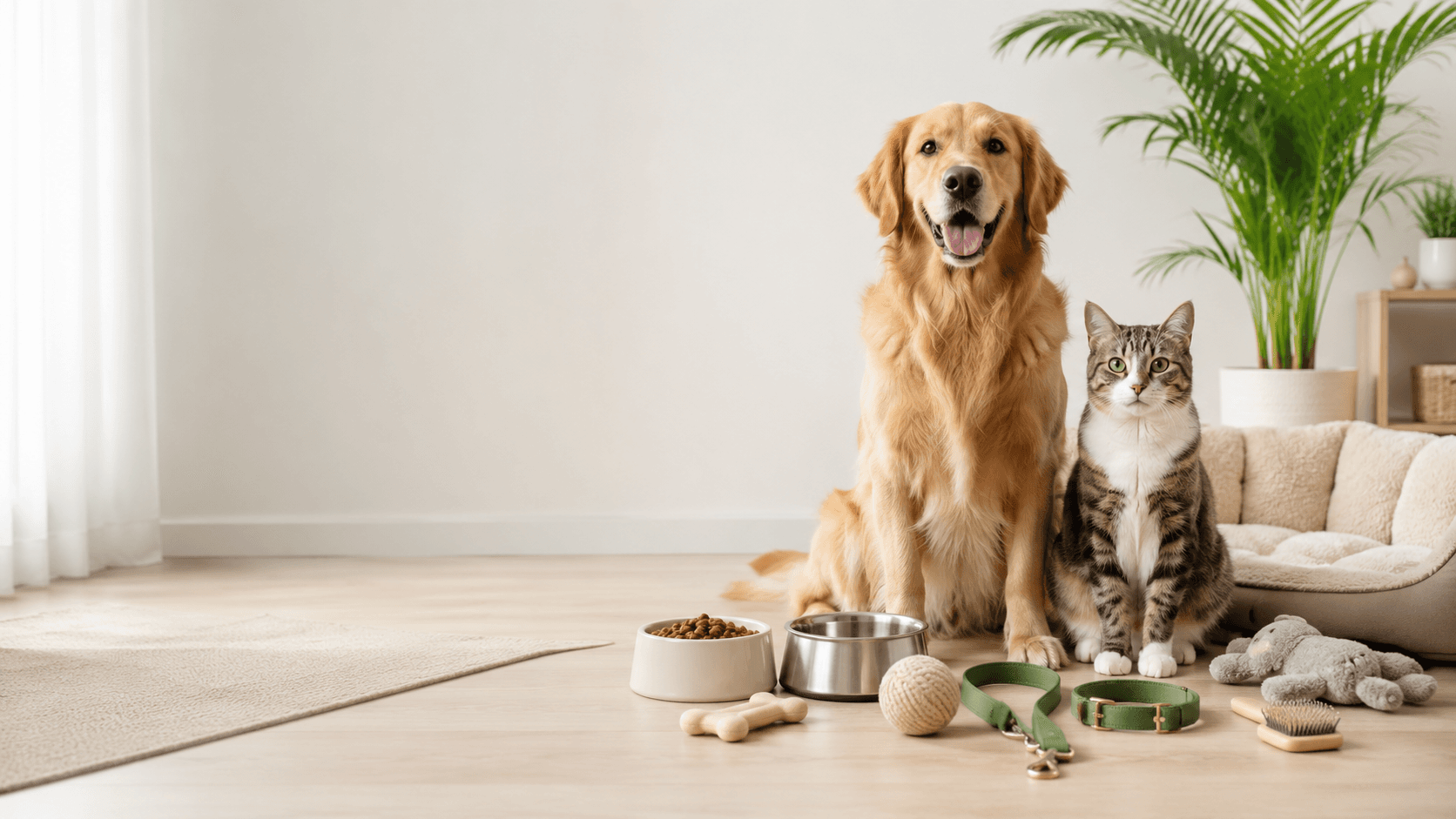
Most puppies do well with three to four small meals a day in the early months, dropping to twice daily by around six months. Choose a complete and balanced puppy formula that matches your puppy's expected adult size. Use the package guidelines as a starting point and adjust based on growth, body condition, and your vet's input.
Treats are useful for training, but they should make up a small portion of daily calories. Keep fresh water available at all times.
Vaccinations and first vet visits
Schedule a first veterinary visit within the first few weeks of bringing your puppy home. Vaccination schedules vary by region and individual health needs, but most puppies need a series of vaccinations every three to four weeks until around 16 weeks of age. Your vet will also discuss deworming, flea and tick prevention, and when to plan spay or neuter conversations.
Bring a stool sample if requested, and note any observations from the first few days at home — appetite, energy, stool consistency, and any small concerns you have.
Socialization window
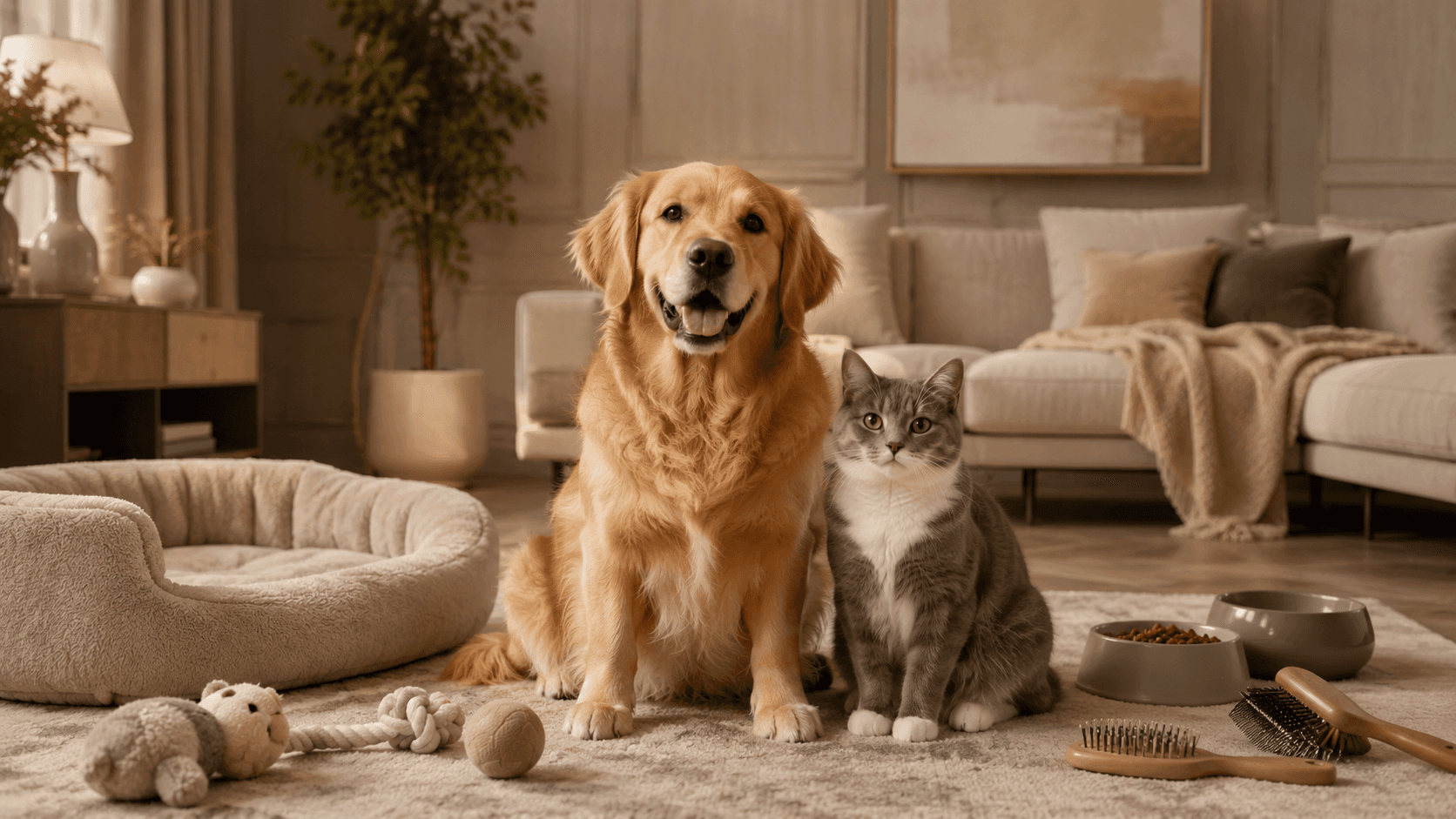
The socialization window typically runs from about three to fourteen weeks of age. During this period, gentle, positive exposure to people, sounds, surfaces, and other calm animals helps a puppy build confidence for life. Keep sessions short, watch for signs of overwhelm, and let your puppy retreat when they want to.
Before full vaccination, your vet may advise limiting contact with unfamiliar dogs or public spaces. Carry your puppy or use a stroller for outdoor sights and sounds while still in the early vaccination series.
Training basics
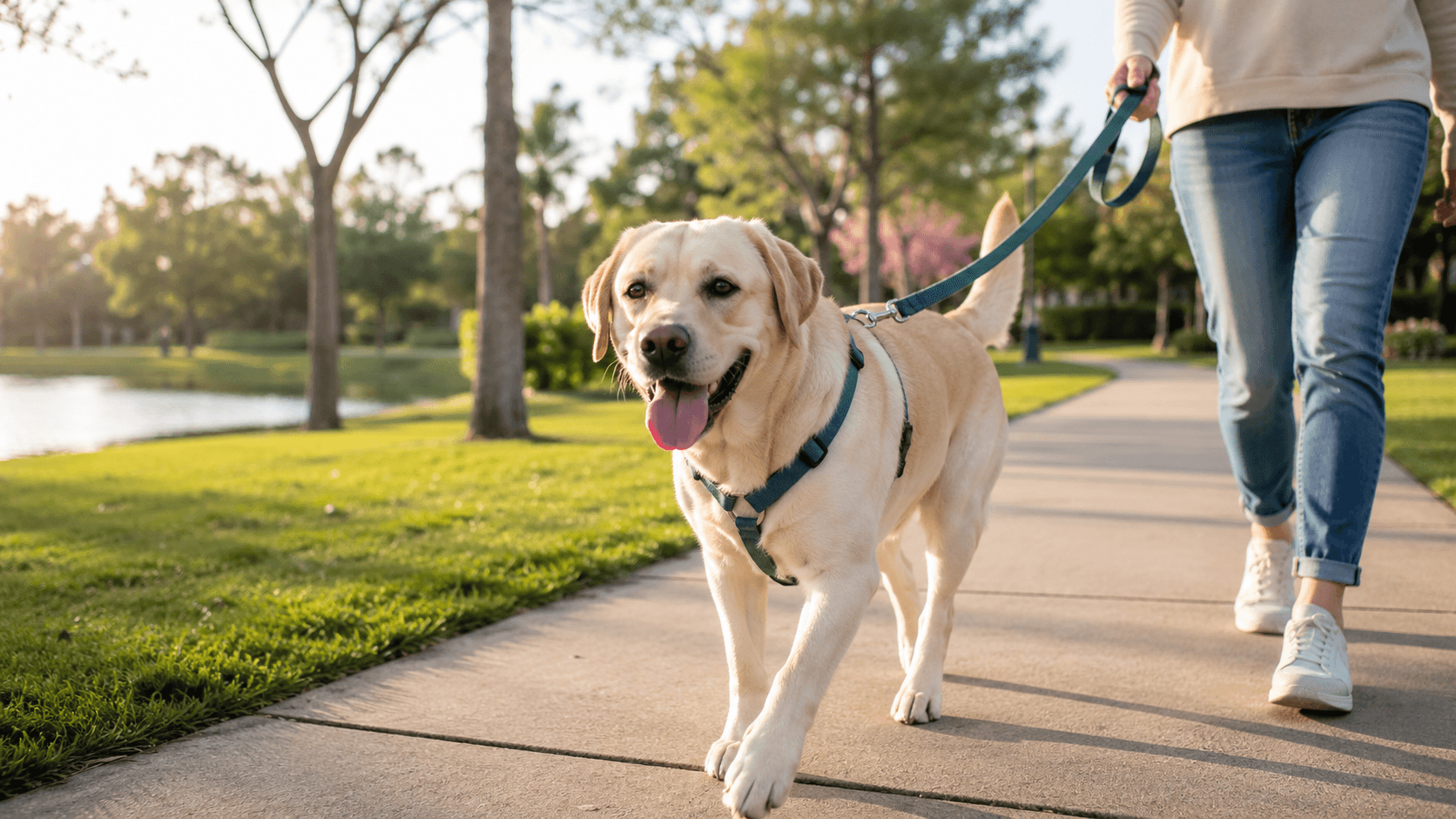
Positive reinforcement — rewarding the behavior you want — is the foundation of effective, kind training. Start with simple cues like sit, name recognition, and a gentle recall. Keep sessions short (a few minutes), upbeat, and end on a success.
House training is built through frequent outings, praise for outdoor success, and calm clean-up of accidents without punishment. Most puppies need to go out shortly after waking, eating, drinking, and playing.
Setting reminders for the first year
Vaccination appointments, worming schedules, and spay/neuter conversations all have timing windows that are easy to miss in the chaos of puppyhood. Set each one as a reminder now, before you need it.
Set puppy reminders in PetMyDear →Turn care routines into lasting habits
Set reminders, build daily checklists, and track feeding, grooming, and exercise in one calm place.